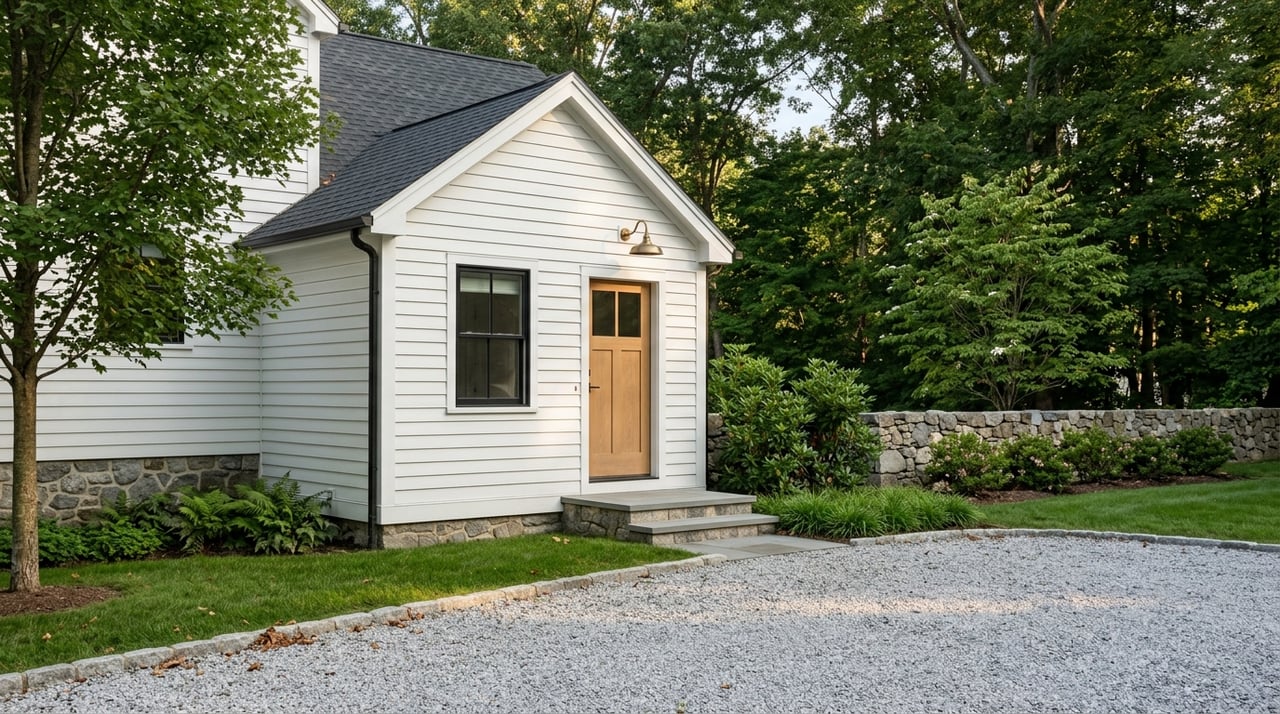
If you picture Fairfield County and think of tighter neighborhoods and quick errands, Redding may surprise you. This is a town where open space, wooded lots, and a slower daily rhythm shape what homeownership actually feels like. If you are considering buying here, it helps to understand both the appeal and the practical tradeoffs before you make a move. Let’s dive in.
Why Redding Feels So Rural
Redding’s country character is not just a matter of appearance. It comes from a long-standing pattern of low-density development, preserved land, and a town identity built around open space. With about 8,830 residents and an owner-occupied housing rate of 91.6%, it feels more residential and spread out than many nearby suburbs.
That sense of space is reinforced by the land itself. The town says it has more than 60 miles of trails, and the Redding Land Trust says it protects more than 2,000 acres of open space while helping maintain that shared trail network. If your idea of home includes privacy, trees, and room to breathe, Redding delivers that in a very real way.
Redding also made intentional choices to preserve its rural feel. The town notes that two-acre zoning was adopted in 1953 outside Georgetown to help protect that character. That history still affects what buyers experience today, especially if you are comparing Redding with denser Fairfield County towns.
What Homes in Redding Look Like
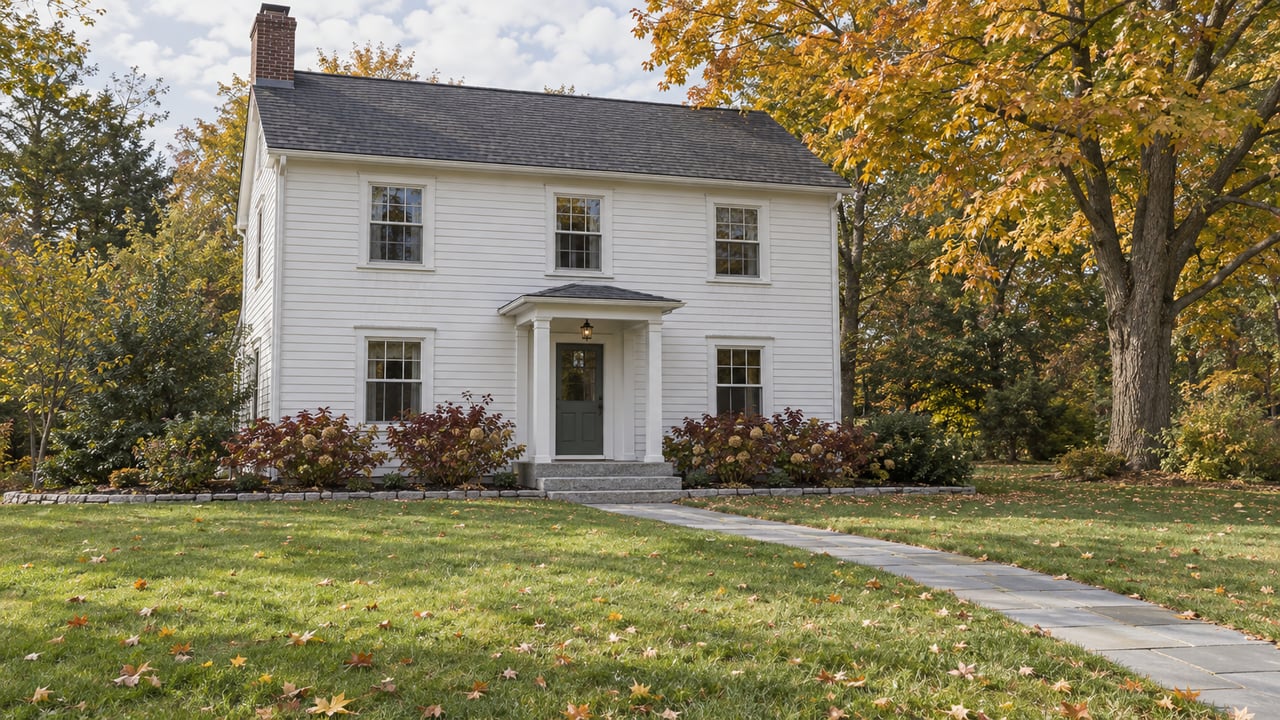
One of the biggest things to know before you buy is that Redding does not offer one standard housing type. You are more likely to see a mix of antique homes, period properties, and later single-family houses on wooded lots than rows of similar subdivision homes. That variety is part of the town’s charm, but it also means each property needs to be evaluated on its own merits.
The town’s historic inventory shows a broad range of architectural styles. These include Colonial, Federal, Greek Revival, Colonial Revival, Italianate, Saltbox, Center Chimney Colonial, and Tudor Revival. For you as a buyer, that means your search may include very different layouts, systems, and upkeep needs from one home to the next.
Historic areas add another layer of character. Redding Center’s National Register Historic District covers about 55 contiguous acres with 39 contributing resources, and the Georgetown historic district is partly in Redding and partly in Wilton. The town also reports 230 historic structures in the State Historic Resource Inventory, so older homes are a meaningful part of the local housing stock.
Historic Homes: Charm With Homework
Older homes can offer architecture and setting that are hard to replicate. They can also require more careful review before you buy. In Redding, that does not automatically mean strict preservation limits, but it does mean you should look closely at the property record.
The town says National Register designations are honorary and non-restrictive. In simple terms, that means being listed does not by itself stop a structure from being demolished. Still, the town also notes that historic preservation easements can affect parts of a property and may have resale implications, so reviewing disclosures and deed records is an important step.
If you are drawn to an antique or period home, it helps to ask detailed questions early. You will want clarity on any easements, known updates, and whether prior work was completed with the proper approvals. A beautiful old house can be a great fit, but only if you understand what comes with it.
Land, Zoning, and Site Planning Matter
In a town like Redding, you are not just buying a house. You are often buying land, topography, trees, driveway access, and future project limitations. That is one reason country living can feel different from buying in a more compact suburb.
The zoning commission regulates special use permits, accessory apartment permits, land clearing and re-grading permits, residential and commercial uses, and lot requirements. The building department uses Connecticut State Building Codes and an electronic permit application process. For buyers, the takeaway is simple: if you hope to add a structure, clear trees, expand a home, or rework the site, those plans may require more time and review than you expect.
This matters even if you are not planning a major renovation right away. A property that looks full of potential may come with practical limits tied to wetlands, grading, or other land-use rules. Knowing that before closing can save you time, money, and frustration later.
Daily Life Is Scenic, But Car-Oriented
Redding offers a train option, but it still functions like a country suburb where driving is part of daily life. Metro-North’s Danbury Branch includes Redding station and runs between Danbury and South Norwalk with connections toward Grand Central. That gives commuters and hybrid workers a rail option without changing the town’s overall rhythm.
At the same time, the Census Bureau reports a mean travel time to work of 36.1 minutes. That is a useful reminder that this is not a walk-to-everything town. If you are moving from a more compact area, it is smart to think through your weekly routine, including groceries, activities, appointments, and station access.
Broadband access is one practical plus for many buyers. QuickFacts reports that 98.7% of households have a broadband internet subscription. That does not guarantee the same experience at every address, but it does suggest remote and hybrid work are realistic for many households.
Country Living Comes With More Owner Responsibility
The space and privacy that attract buyers to Redding usually come with more hands-on ownership. In many homes, private wells and septic systems are part of the package. These are not reasons to avoid a property, but they are reasons to do careful due diligence.
Connecticut DPH says private well owners are responsible for testing and maintaining their own wells, and it highly recommends testing when buying a home. DPH also says septic systems should be inspected and pumped as needed, often every 3 to 5 years depending on use and condition. Those are core items to understand before you close.
You should also think beyond the house itself. In wooded parts of town, drainage, tree work, driveway upkeep, and site maintenance can all affect your long-term costs and comfort. The extra land that feels so appealing on showing day can require steady attention once you own it.
Winter, Trash, and Small-Town Logistics
Country living is not just about views and privacy. It also shapes the less glamorous parts of homeownership. In Redding, some everyday routines work differently than they might in a denser town.
For example, the town’s recycling and transfer station is resident-only, located on Hopewell Woods Road, requires a permit, and is open four days a week. That may sound like a small detail, but it gives you a clearer picture of the town’s practical, self-managed feel. It is one of those lifestyle points that is helpful to know in advance.
Weather is another part of the equation. The highway department notes that town crews are especially visible during snowstorms, which reflects the realities of winter maintenance in a more rural setting. If you have a longer driveway or a sloped property, snow and ice planning matter.
What to Inspect Closely Before You Buy
In Redding, a strong inspection process is especially important because each property can be so different. Two homes at a similar price point may have very different upkeep profiles based on age, systems, land, and access. That is why the best buying decisions here are usually informed by details, not just curb appeal.
As you evaluate a property, pay close attention to:
- Well water testing and well maintenance history
- Septic condition, age, and service records
- Drainage patterns and signs of water issues
- Tree cover near the house, driveway, and utility areas
- Driveway condition, slope, and year-round access
- Any planned clearing, grading, or expansion limits
- Historic easements or property-specific restrictions
These items may not be as exciting as kitchen finishes or paint colors, but they often have a bigger impact on your ownership experience. In a town like Redding, practical fit matters just as much as aesthetic fit.
Is Redding the Right Fit for You?
Redding can be a wonderful choice if you want privacy, open space, and a true country feel within Fairfield County. It offers a setting shaped by preservation, history, and low-density living rather than convenience at every corner. For many buyers, that is exactly the point.
The key is to go in with clear expectations. You may gain land, quiet, and architectural character, but you will likely trade some convenience for it. When you understand those tradeoffs upfront, you are much more likely to choose a home that fits your lifestyle well.
If you are weighing a move to Redding or comparing it with other Fairfield County towns, working with a local agent who understands both the property details and the day-to-day realities can make the process much smoother. When you are ready to talk through your options, connect with Lynne Murphy.
FAQs
What makes country living in Redding, CT different from other Fairfield County towns?
- Redding stands out for its low-density layout, large amount of open space, more than 60 miles of trails, and long-standing focus on preserving rural character.
What types of homes can you expect in Redding, CT?
- You can expect a mix of antique homes, period houses, and later single-family homes on wooded lots rather than one uniform neighborhood style.
What should buyers inspect before buying a country home in Redding, CT?
- Buyers should look closely at well water, septic systems, drainage, tree cover, driveway access, and any site-related limitations tied to the land.
Are historic homes in Redding, CT heavily restricted?
- Not usually by National Register status alone, since the town says those designations are honorary and non-restrictive, but buyers should still review easements, disclosures, and deed records carefully.
Is Redding, CT a good option for commuting?
- Redding has access to Metro-North’s Danbury Branch and a local station, but the town’s average commute time of 36.1 minutes shows that daily travel still requires realistic planning.
What daily lifestyle changes come with living in Redding, CT?
- You should expect a more car-oriented routine, resident-only transfer station access, and more hands-on attention to weather, driveways, and overall property maintenance.