Are you drawn to the clean ease of a brand-new home, or the character and history of an older one? In New Canaan, that choice can feel especially important because the housing stock is so distinct and the market moves quickly. If you are weighing new construction against an antique home, understanding local rules, renovation realities, and long-term value can help you buy with more confidence. Let’s dive in.
New Canaan Has Two Very Different Paths
New Canaan is a small, high-value housing market with a 2024 population estimate of 21,160, an owner-occupied housing rate of 83.7%, and a median owner-occupied home value of $1,611,900. Recent market data also shows a median sale price of $1,610,536 in May 2026, average days on market of 22, and 59% of homes selling above list.
That matters because in a competitive market, your decision is not only about style. It is also about how much work, flexibility, and future cost you are prepared to take on after closing.
New Canaan also offers an unusually broad range of architecture for a town its size. Along with newer homes, the town is known for its historic district and for more than 100 mid-century modern houses built between 1949 and 1973.
What New Construction Means in New Canaan
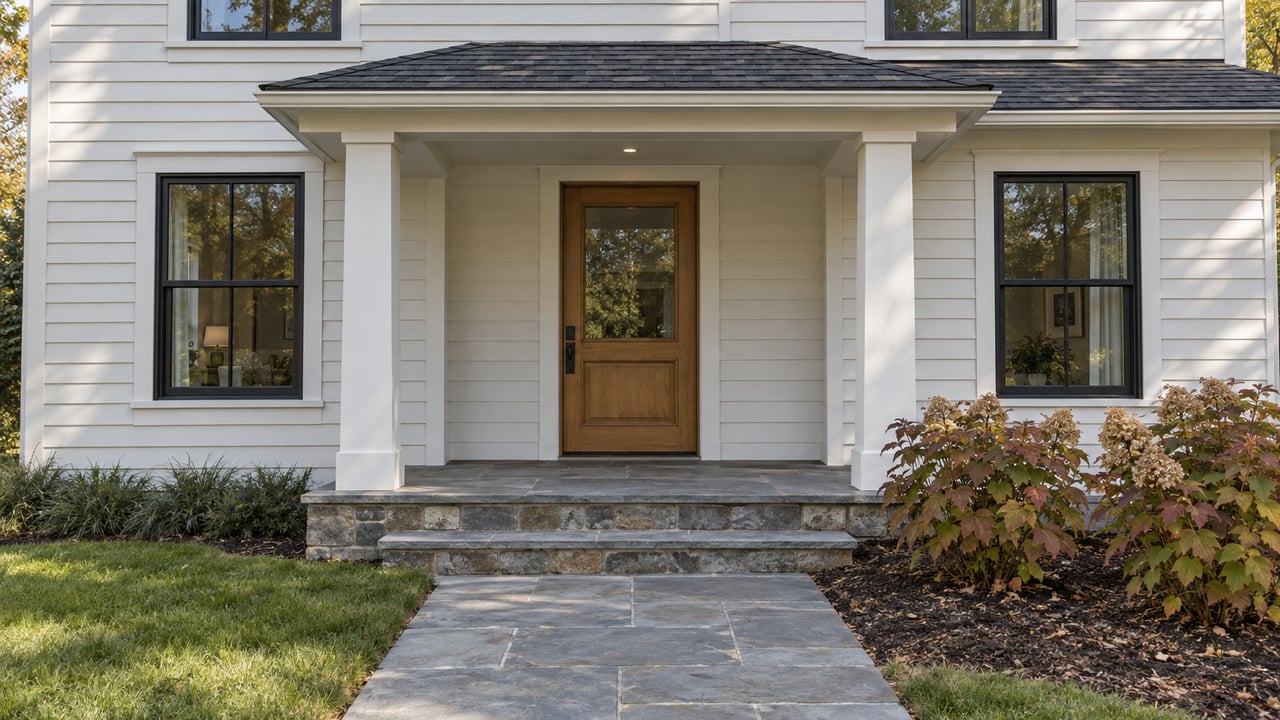
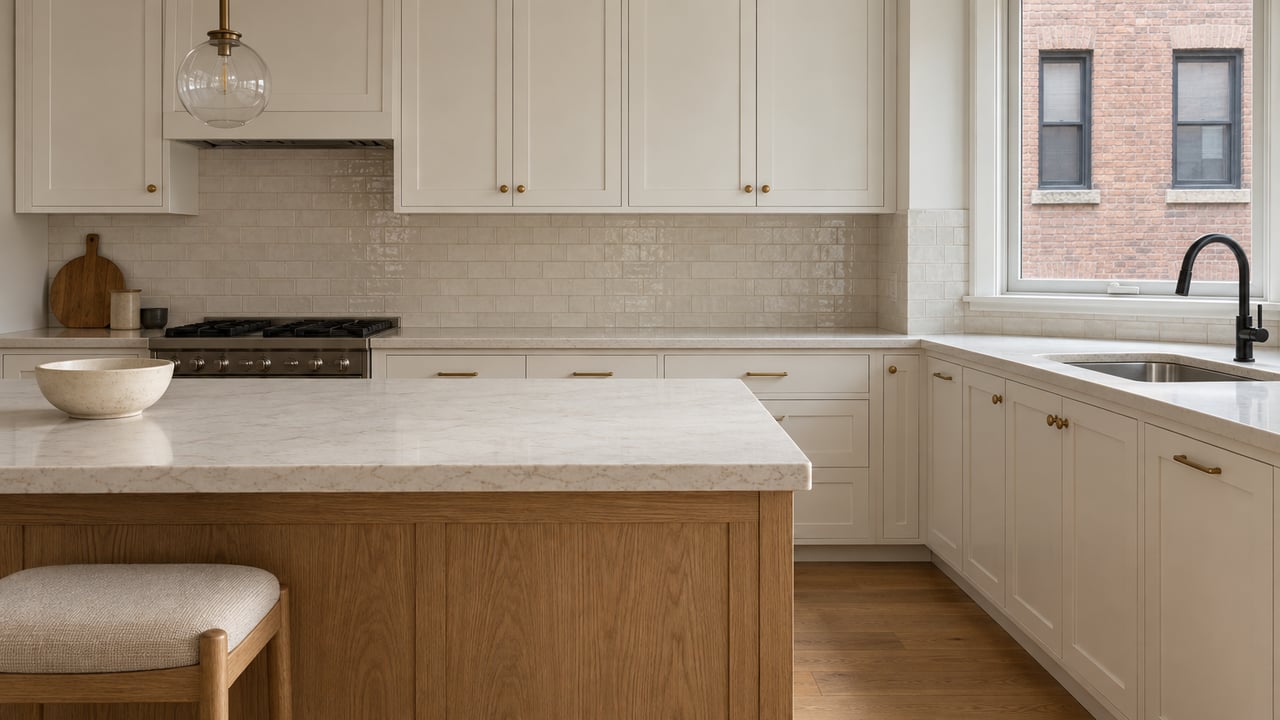
A new home in New Canaan usually offers a more current layout and fewer immediate unknowns. That can appeal to buyers who want a simpler move, more modern systems, and less near-term renovation planning.
At the same time, new construction here is not a blank slate. In Connecticut, the State Building Code applies to newly constructed buildings as well as additions, alterations, and changes of use.
That means a new home is built within a current code framework. For many buyers, that creates a sense of predictability when compared with an older property that may need updates over time.
Zoning Still Shapes the House
Even brand-new homes must fit the lot and the zoning district. New Canaan’s residential regulations include minimum yard setbacks and building-height limits.
In practical terms, that means the lot has a big role in what can be built. If you are comparing two newer homes, the difference may not just be finishes or square footage. It may also be how the lot, setbacks, and height rules shaped the final design.
Why Buyers Often Like Newer Homes
For many buyers, the biggest advantage of new construction is simplicity. You may have fewer immediate repair questions and a layout that better matches how people live today.
That does not mean every new home is identical. It means the biggest tradeoff is often less about charm and more about whether you value a cleaner starting point over older architectural detail.
What Antique Homes Mean in New Canaan
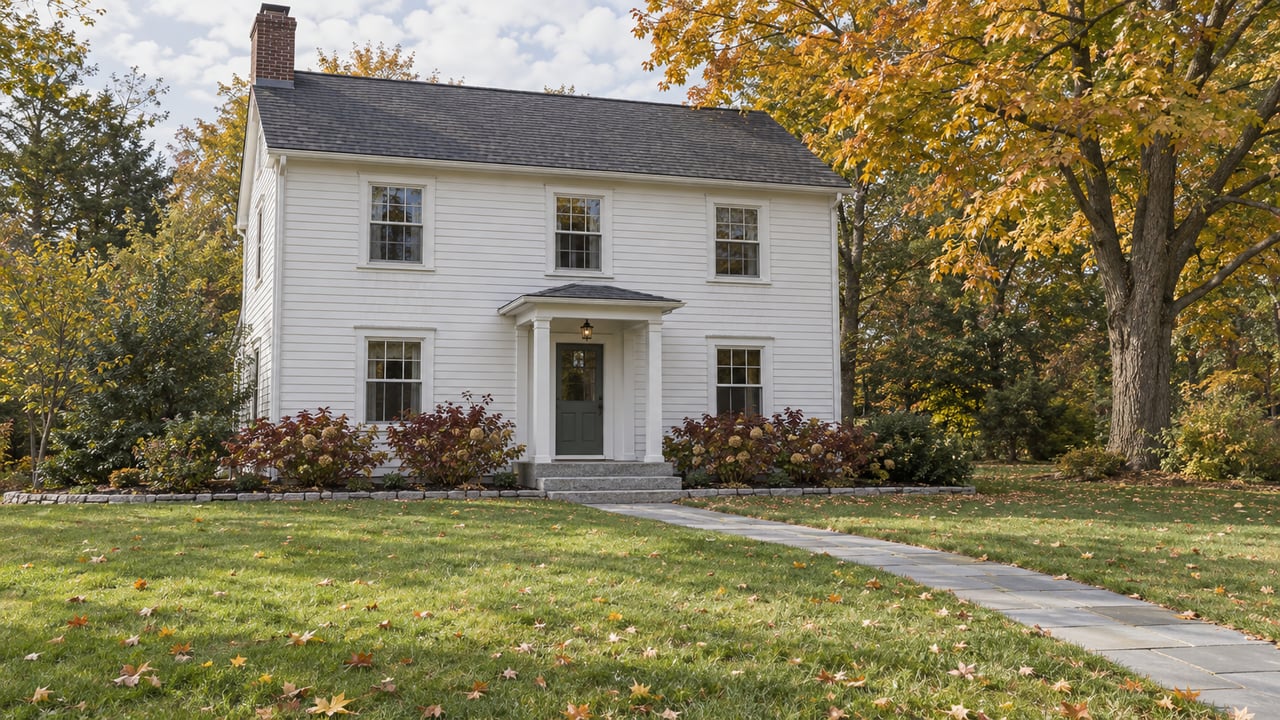
Antique homes in New Canaan often offer something that is hard to recreate: original character, established setting, and architectural personality. If you love old-house details, a newer property may never feel quite the same.
In New Canaan’s historic district, that character is part of a larger preservation framework. The district was established to preserve buildings and structures tied to the town’s history and architectural character.
For buyers, this means an older home may come with both appeal and added responsibility. You are not only buying the house itself. You may also be buying into a more structured approval environment for future exterior work.
Historic District Rules Matter
In the historic district, exterior alterations, demolition, and some parking changes require a Certificate of Appropriateness before permits can be issued. The commission reviews exterior appearance, materials, scale, and related features to preserve historic character.
It is also helpful to know what the commission does not regulate. It does not regulate interior architectural features or the color of exterior paint.
That distinction matters when you are planning future updates. If your vision involves major exterior changes, you will want to understand that process early rather than after you close.
Approvals Can Layer Together
Historic district review is not always the only step. Town regulations note that work in the district may also require permits or approvals from the Building Department, Planning and Zoning, Inland Wetlands, Health, Public Works, or other town or state agencies.
Connecticut’s Department of Consumer Protection also notes that many home-improvement projects require a building permit from the town. The homeowner is ultimately responsible for confirming the permit is in place before work begins.
For a buyer, that means renovation timelines can involve more than one office or approval path. If you are buying an antique home with plans to update it quickly, this is an important part of your budgeting and scheduling.
Older Homes Can Bring Lead-Safe Renovation Issues
One of the clearest maintenance concerns in older homes is lead-based paint risk. The EPA says older homes are more likely to contain lead-based paint, and renovation, repair, or painting work in pre-1978 homes can create lead dust.
Paid contractors doing that work must be certified and use lead-safe practices. If you are buying an antique home and expect to renovate, this is one of the most important issues to factor into your cost planning.
How To Compare Long-Term Value
In New Canaan, the best comparison is usually not new versus antique in the abstract. It is how much of the future cost is already solved, and how much is still ahead.
In a market where homes are selling quickly and often above list, hidden cost can matter as much as purchase price. Future permitting, preservation review, code-related updates, or lead-safe renovation work can affect your real cost of ownership.
Ask Yourself These Three Questions
How much exterior flexibility do you want?
If the home is in the historic district, exterior changes and demolition are much more regulated than they would be in a typical setting. If you want freedom to significantly reshape the outside of the home later, that deserves careful thought.
How much renovation risk can you absorb?
Older homes are more likely to involve permit review and lead-safe work when updates begin. If your budget already feels tight after purchase, a newer home may offer more predictability.
How important is commute access?
For many buyers, location value includes transportation. The Connecticut Department of Transportation says Metro-North’s New Haven Line provides rail service west to Grand Central Station in New York City, and the New Canaan Branch feeds into that line.
If you are relocating or commuting regularly, that rail connection may play a meaningful role in how you weigh one property against another. A home’s age may matter less if the location strongly supports your day-to-day routine.
Which Type of Home Fits You Best?
If you want a more current layout, fewer immediate unknowns, and a cleaner starting point, new construction may be the better fit. You are still buying within zoning and code limits, but the path ahead often feels more straightforward.
If you value historic depth, original detail, and architectural personality, an antique home may be worth the added complexity. You just want to go in with a clear understanding of possible approvals, renovation practices, and future upkeep.
In New Canaan, this is rarely a simple style decision. It is a decision about predictability, character, and how you want to spend your time and budget after move-in.
A thoughtful home search can help you compare not only price and appearance, but also the practical realities behind each option. If you want help weighing newer homes against antique properties in New Canaan and nearby Fairfield County towns, Lynne Murphy can help you evaluate the tradeoffs and move forward with clarity.
FAQs
What does new construction in New Canaan usually offer buyers?
- New construction usually offers a more current layout and fewer immediate unknowns, while still being shaped by Connecticut building code and New Canaan zoning rules.
What should buyers know about antique homes in New Canaan’s historic district?
- Buyers should know that exterior alterations, demolition, and some parking changes in the historic district require a Certificate of Appropriateness before permits can be issued.
What approvals might be needed for renovations on an older New Canaan home?
- Depending on the project, renovations may require review from the historic district commission and permits or approvals from town departments such as Building, Planning and Zoning, Inland Wetlands, Health, or Public Works.
Why is lead-safe renovation important for antique homes in New Canaan?
- Older homes are more likely to contain lead-based paint, and renovation work in pre-1978 homes can create lead dust, so paid contractors must be certified and use lead-safe practices.
How does commute access affect home value in New Canaan?
- For many buyers, value includes access to Metro-North service, since the New Canaan Branch connects to the New Haven Line for trips toward Grand Central Station in New York City.