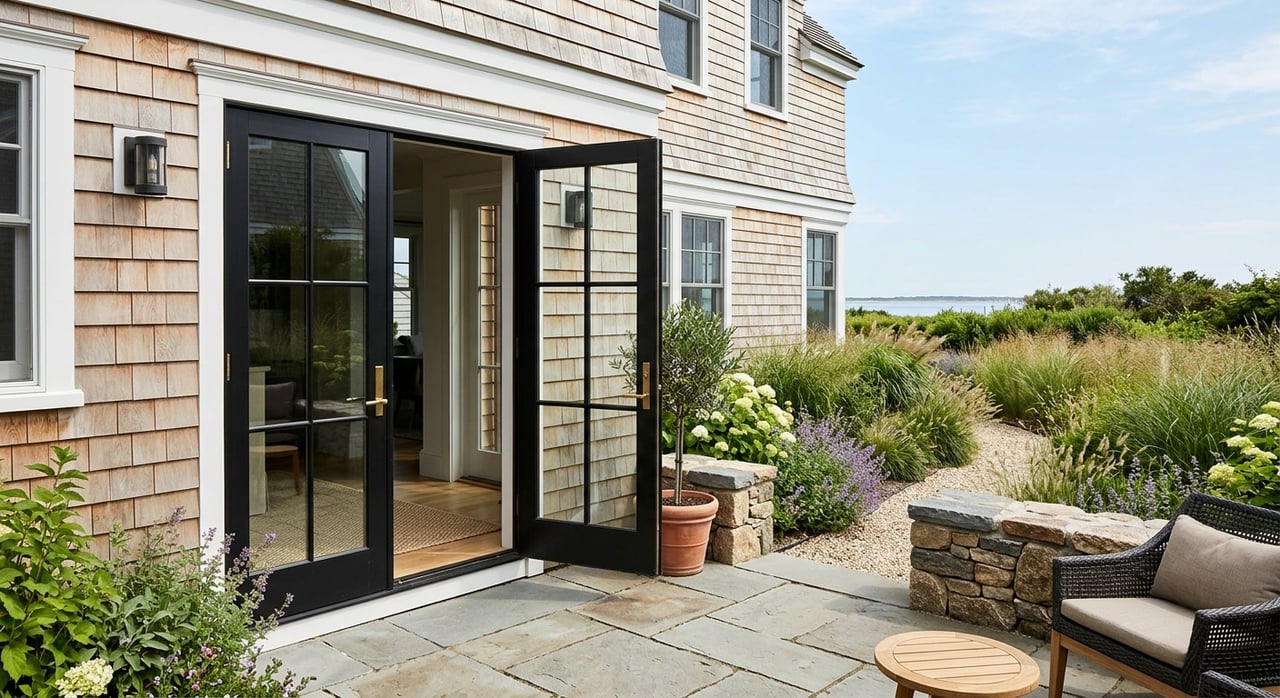
Dreaming about waking up near the water in Norwalk? It is easy to focus on the view first, but buying in Norwalk’s waterfront neighborhoods is really about balancing lifestyle, budget, and property rules. If you want to understand where the value sits, what day-to-day living looks like, and which ownership details matter most before you make an offer, you are in the right place. Let’s dive in.
Norwalk waterfront living is not one-size-fits-all
Norwalk’s waterfront is not a single neighborhood or a single price point. The city describes Norwalk Harbor as a major center for recreational boating and shellfishing, with 15 marinas, 13 private clubs, more than 1,800 berthing spaces, and over 500 mooring locations. That means when you shop the waterfront here, you are looking at a broad mix of harbor-adjacent homes, village-style streets, condos, mixed-use properties, and access-focused coastal living.
Just as important, waterfront ownership in Norwalk is shaped by more than location. Local coastal area management and flood-hazard rules can affect what you can change, build, elevate, or improve over time. For many buyers, the smartest move is to look at the property and the site conditions together, not just the photos.
Price ranges across waterfront neighborhoods
If you are comparing Norwalk’s waterfront neighborhoods, the numbers show a clear market split. As of April 2026, the citywide median sale price in Norwalk was $699,139, and homes sold in about 25 days. That gives you a useful baseline before you zoom in on specific coastal areas.
Rowayton pricing
Rowayton sits at the top end of the local waterfront market. Its median sale price was $2,091,723, and homes spent a median of 13.5 days on market. Based on current market data, that puts Rowayton at about three times the citywide median sale price.
For you as a buyer, that usually means stronger competition, less room to negotiate, and a market where detached homes and close-to-water locations command a premium. If Rowayton is on your list, it helps to be financially prepared and ready to move quickly.
East Norwalk pricing
East Norwalk falls into more of a middle tier for waterfront buyers. Its median sale price was $762,217, with a median of 24 days on market. That places it just above the citywide median.
East Norwalk can appeal to buyers who want a coastal setting and village-style feel without stepping into Rowayton pricing. You may still face competition, but the entry point is more moderate than the highest-priced harbor pockets.
South Norwalk pricing
South Norwalk offers the lowest median sale price among these three waterfront-adjacent areas. Its median sale price was $472,324, and homes spent a median of 50 days on market. That makes it a more accessible option for buyers who want to live near the harbor without buying at the top of the market.
In practical terms, South Norwalk may offer a more approachable path into waterfront living, especially if you are open to condos, loft-style spaces, or mixed-use surroundings. It can be a good fit if you care more about access and location than a traditional coastal single-family home.
Competition is still strong near the water
Even when price points vary, waterfront demand stays strong. Norwalk homes are selling at about 103.4% of list price citywide. Rowayton averages 103.1% of list price, East Norwalk 102.3%, and South Norwalk 101.2%.
That tells you something important before you start touring homes. In many waterfront pockets, buyers are still paying at or above asking price. If the right property comes up, especially one with strong water access or fewer ownership complications, you may not have much negotiating room.
What the housing stock feels like
Norwalk’s waterfront neighborhoods do not share one architectural style. The city’s design guidelines for East Norwalk and the Rowayton Avenue district emphasize a maritime-village character. Those guidelines reference public views of the water, pitched roofs, and traditional New England materials like wood clapboards, brick, and stone. East Norwalk guidelines also point to porches and gabled roofs.
South Norwalk offers a different setting. Its National Register district is described as a dense late-19th- and early-20th-century commercial streetscape with ornate facades and styles such as Italian Renaissance, Romanesque Revival, and High Victorian Italianate. The overall feel is more urban, compact, and mixed-use.
What that means for your home search
If you are looking for a classic coastal village atmosphere, Rowayton and East Norwalk may feel more aligned with that goal. If you want harbor-adjacent living with condo or loft options and a more walkable mixed-use setting, South Norwalk may be worth a closer look.
Recent sold examples support that pattern. Rowayton sales tend to include larger detached homes in the multi-million-dollar range, while South Norwalk includes condo and apartment units alongside some larger single-family homes. For you, that means your preferred home type may help narrow the neighborhood faster than price alone.
The waterfront lifestyle buyers are paying for
Part of the value in Norwalk’s waterfront market is access to the shoreline and harbor amenities. Calf Pasture Beach, Shady Beach, Veterans Park and Marina, Oyster Shell Park, and Norwalk Harbor anchor much of the local lifestyle. These are not just scenic spots. They shape how people use the area day to day.
Calf Pasture and Shady Beach offer about three-quarters of a mile of scenic coastline, along with sailing school, a splash pad, sports courts, kayak storage, and seasonal events. Veterans Park and Marina includes a boat launch, visitor docks with full power, and a harbor esplanade. Oyster Shell Park adds riverfront trails and harbor views.
The city has also added a bike route of roughly 10.5 miles that links Rowayton north-south to New Canaan and east-west to Westport. If you like the idea of a more car-light lifestyle with outdoor access built into your routine, that is a meaningful perk.
Access rules matter more than many buyers expect
One easy mistake is assuming that every waterfront convenience works the same way for every owner. In Norwalk, access can be more structured. Residents must verify their license plate on the Grand List before parking at Calf Pasture or Shady Beach, and nonresidents are limited to 130 daily spots at Calf Pasture. Seasonal parking fees also apply at Calf Pasture, Veterans Park, Taylor Farm, and Cranbury Park.
That may not change whether you love the area, but it should shape how you evaluate your daily routine. If beach access, marina use, or summer parking is part of your vision, it is worth confirming how those rules line up with the way you actually plan to live.
Flood risk should be an early priority
If you are buying near the water, flood risk is one of the first items to check. Norwalk states that any area can flood, but flood hazard zones come with special regulations and insurance requirements. If a property is in a Special Flood Hazard Zone, the city points buyers to added requirements that can include flood vents or breakaway walls, finished living space at least two feet above base flood elevation, flood-resistant materials, and certification documents.
This is not just an issue for today. It can also affect future renovation plans. Norwalk tracks substantial improvement over a five-year period, and when cumulative work reaches 25% of market value, the home must be brought into flood compliance before more work can continue.
Connecticut’s Insurance Department also notes that standard homeowners and renters policies do not cover flood damage. In high-risk zones with government-backed mortgages, flood insurance is required, and NFIP policies have a 30-day waiting period. For you, that means insurance, renovation budgeting, and timing all need to be part of the decision from the beginning.
Coastal permitting can affect future plans
Waterfront buyers often focus on what exists today, but the better question is what you may want to do later. Norwalk’s coastal area rules state that many projects in the coastal area need coastal site plan review, and most work within 50 feet of a coastal resource will require review. The city’s flood regulations also do not allow work within 25 feet of the mean high water or tide line.
If you are considering additions, outdoor improvements, shoreline work, or changes tied to water access, those details matter. A home that looks ideal now may be less flexible than you expect once permits, review timelines, and site limits are part of the picture.
Docks and shoreline structures
Connecticut DEEP says residential dock installation is regulated, and private access must minimize encroachment into public trust waters. New docks should also be consistent with municipal harbor management plans and shellfish considerations.
Shoreline protection has limits too. DEEP says seawalls, bulkheads, revetments, jetties, and groins are strictly regulated and discouraged unless they are needed to protect existing inhabited structures, water-dependent uses, or infrastructure. In many cases, long-term protection comes from siting structures farther back from the water.
Questions to ask before you buy
A waterfront home can be a great fit, but it usually rewards careful due diligence. Before you move forward, ask questions like these:
- Is the property in a flood hazard zone?
- Is the lot in Norwalk’s coastal area management zone?
- Are there existing approvals for a dock, mooring, or shoreline structure?
- How much substantial-improvement headroom remains if you want to renovate later?
- Will beach parking rules, marina access, or seasonal restrictions fit your routine?
These questions can help you compare two homes that may look similar online but carry very different long-term costs and options.
How to think about the best fit
For many buyers, the choice comes down to trade-offs. Rowayton tends to deliver the highest-price coastal experience. East Norwalk often offers a middle ground with village-style character and a more moderate entry point. South Norwalk can be the most accessible way to buy near the harbor, especially if condo or mixed-use living works for your lifestyle.
The right choice depends on what matters most to you. If your top priority is a detached home in a classic coastal setting, one neighborhood may stand out. If you want easier entry pricing or a lower-maintenance property near the water, another may make more sense.
Buying near the water is rarely just about the address. It is about understanding what you are paying for, what you can do with the property, and how the location supports your everyday life. If you want help sorting through Norwalk’s waterfront options with practical local guidance, reach out to Lynne Murphy.
FAQs
What is the most expensive waterfront neighborhood in Norwalk?
- Based on April 2026 median sale prices, Rowayton is the highest-priced of the waterfront areas covered here, at $2,091,723.
What is the most affordable way to buy near the water in Norwalk?
- Based on current median sale prices, South Norwalk offers the most accessible entry point among these waterfront-adjacent areas, with a median sale price of $472,324.
What should buyers know about flood zones in Norwalk?
- Norwalk says flood hazard zones have special regulations and insurance requirements, and some properties may need features such as flood vents, elevated living space, flood-resistant materials, and certification documents.
What should buyers know about waterfront renovations in Norwalk?
- Buyers should know that Norwalk tracks substantial improvement over a five-year period, and when cumulative work reaches 25% of market value, the home must be brought into flood compliance before more work can proceed.
What should buyers know about docks in Norwalk waterfront areas?
- Residential dock installation is regulated, and approvals should align with local harbor management plans, shellfish considerations, and rules about minimizing encroachment into public trust waters.
What amenities shape the waterfront lifestyle in Norwalk?
- Key amenities include Norwalk Harbor, Calf Pasture Beach, Shady Beach, Veterans Park and Marina, Oyster Shell Park, and a roughly 10.5-mile bike route connecting Rowayton with nearby towns.