Thinking about listing your Westport home and not sure where to start? You are not alone. With a premium market, coastal considerations, and discerning buyers, the details matter. In this guide, you will get a clear, step-by-step plan tailored to Westport so you can prep with confidence, time your launch, and present a home buyers cannot pass up. Let’s dive in.
Know the Westport market
Westport is a high-end Fairfield County market with typical values in the high six figures to multi-million dollar range. Recent market sources placed the town median sale price around the two million mark in early 2026. Exact values vary by month and price tier, so use recent MLS comps for your final pricing strategy.
Inventory has often been tight, and months of supply can shift by season and property type. Small monthly sample sizes can make medians look jumpy, so rely on rolling 3 to 12 month trends to see the real picture. You can see how supply and pace move over time in regional stats like the ShowingTime market reports for Westport, which illustrate seasonality and price-band dynamics in context.
Who is your likely buyer? Many Westport buyers value a convenient Metro-North commute with typical on-train times of about 50 to 75 minutes from Westport or Green’s Farms to Grand Central, depending on the train. Others prioritize Westport Public Schools, which consistently appear among top-ranked districts in Connecticut. Coastal and lifestyle buyers often focus on proximity to Compo Beach, Saugatuck, and updated outdoor spaces.
- Reference for commuting context: check the New Haven Line schedules on the MTA site.
- For neutral school-ranking context, review Niche’s regional school rankings.
Pick the right listing window
Spring, especially March through May, is Westport’s prime listing season. Families aim to move around the school calendar and curb appeal is at its best. A secondary window often appears in late September and early October when serious buyers return after summer.
If your timing is outside those windows, focus on being the most prepared listing in your price band. Start your pre-list preparation 8 to 12 weeks before you plan to go live. For a spring launch, that means beginning key projects in January and February so you hit the market with polished photos and complete prep.
Your 8 to 12 week plan
Use this checklist to sequence your prep. Tackle quick wins first, then invest in targeted updates with strong resale value.
Weeks 1 to 2: Assess and plan
- Declutter, deep clean, and depersonalize. These are the top-impact, low-cost steps that open up rooms and help buyers picture themselves in the space. The NAR’s staging guidance emphasizes cleaning and decluttering as essential prep.
- Neutralize finishes with light, fresh paint and swap dated lights for simple, warm fixtures.
- Walk the exterior with a buyer’s eye and list easy fixes for curb appeal.
Weeks 2 to 4: Boost curb appeal
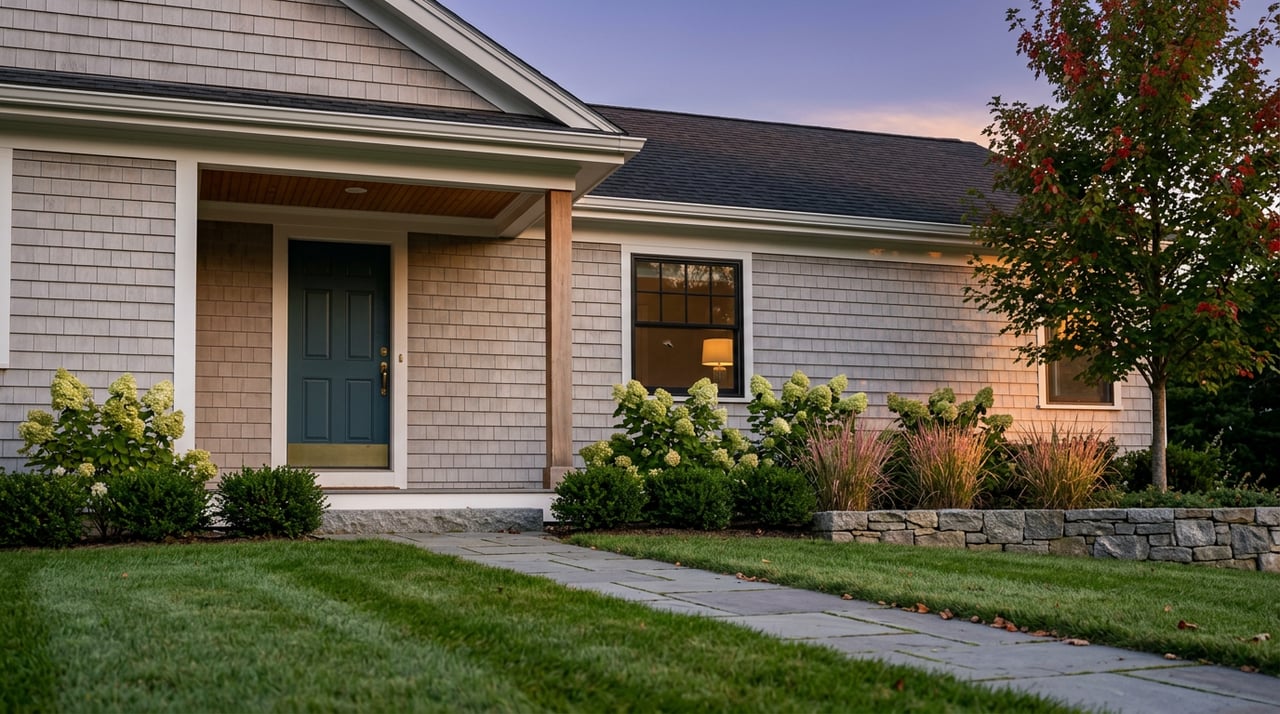
- Edge and mulch beds, trim hedges, and refresh the lawn as weather allows.
- Power-wash siding and walkways, clean windows, and polish or replace house numbers.
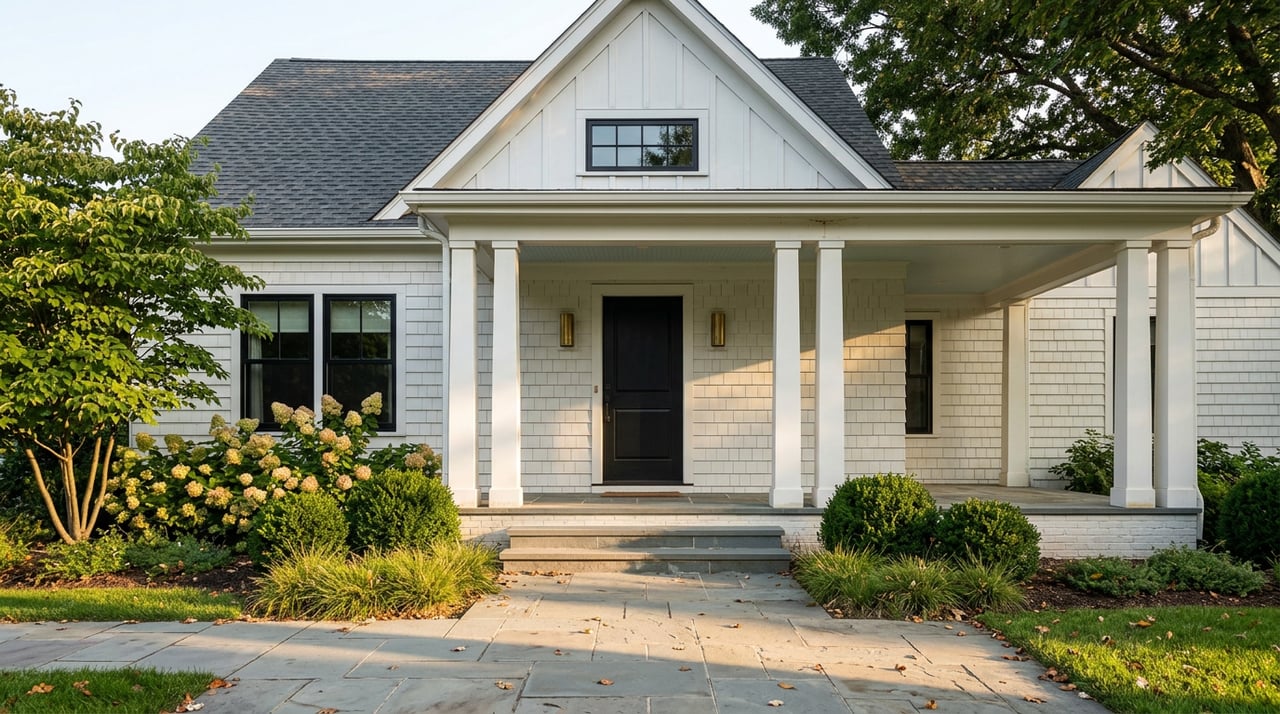
- Repaint or replace the front door and add simple, weather-resistant planters.
Weeks 3 to 6: Make smart cosmetic updates
Focus on projects that show strong resale recoup nationally in 2025 benchmarks. Costs and returns vary locally, so confirm with contractor bids and MLS comps before you commit.
- Garage door and steel entry door replacement frequently rank at the top for cost recoup.
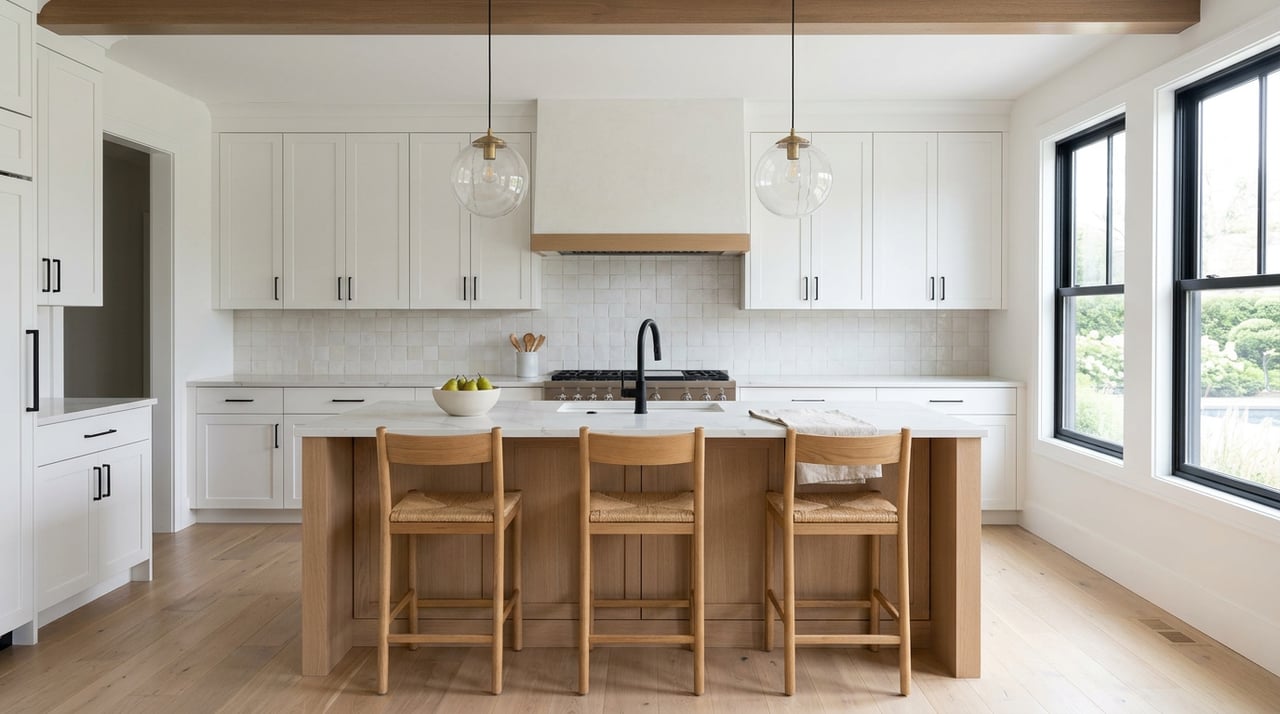
- A minor midrange kitchen refresh, like cabinet refacing, new counters, and updated appliances, often outperforms a full gut for ROI.
- Targeted exterior improvements, including siding upgrades, manufactured stone veneer, and paint, improve first impressions.
- In a coastal community, deck repairs or refinishing help showcase outdoor living.
For a deeper look at national project ROI benchmarks, review the Remodeling Cost vs. Value 2025 report by the Journal of Light Construction: JLC Cost vs. Value 2025.
Weeks 4 to 6: Consider a pre-listing inspection
A seller-side inspection can surface safety or system issues on your terms, so you can repair proactively or disclose and price accordingly. This reduces renegotiation risk at higher price points and can help keep escrows smoother. Learn more about seller inspection benefits from InterNACHI.
Weeks 5 to 7: Stage to your buyer
Staging helps buyers connect with a home and often reduces days on market. National benchmarks from RESA and NAR show staged homes commonly sell faster and can attract stronger offers. Prioritize the living room, kitchen, and primary bedroom, since those rooms carry the most weight in photos and buyer decision-making.
- Explore national staging statistics from the Real Estate Staging Association and practical room-by-room tips from the NAR staging page.
Weeks 6 to 8: Elevate your marketing assets
- Book professional photography once paint, lighting, and staging are complete. Aim for bright, consistent daylight and angles that highlight flow and storage.
- Add floor plans and, when helpful, a 3D tour to match how Westport buyers search. These tools give commuting buyers and relocation clients confidence to act quickly.
- Prepare a features sheet that clarifies age of roof and mechanicals, recent updates, average utilities, and any relevant permits or maintenance records.
Price with precision
Set your price using recent closed MLS comps from the past 3 months in your immediate area and price band. Assess how sensitive your segment is to small price moves by reviewing time on market at slightly different list prices. Online estimates are helpful for general context, but a custom comp set and local agent insight should guide your final strategy.
Work with your agent to decide between pricing slightly under the market to spur activity or pricing to market with room to negotiate. Your choice depends on current inventory, your home’s condition relative to comps, and your timeline.
Address coastal and village specifics
If you are near Compo or Saugatuck
Beach and river neighborhoods attract buyers who want proximity to the water and village amenities. If your home is in an area with potential coastal exposure, verify your property’s flood zone and any current or preliminary FEMA map changes. Westport’s floodplain page explains current resources, the preliminary mapping process, and appeal or Letter of Map Amendment steps. Start with the town’s overview and links to FEMA tools on the Westport Floodplain and Flood Protection page.
- If your lender requires flood insurance or you are in a Special Flood Hazard Area, gather any existing elevation certificate and get quotes early. Premiums and requirements vary by property specifics.
- Disclose known flood history and improvements that mitigate risk, such as raised mechanicals or flood vents.
Docks, seawalls, and coastal permits
If your property includes a dock, seawall, or similar structure, collect permit history, maintenance records, and any recent inspections. Coastal work can involve multiple agencies, including local Planning and Zoning and Connecticut DEEP. Having documentation ready helps your buyer, appraiser, and underwriter move forward with confidence.
Outdoor living that resonates
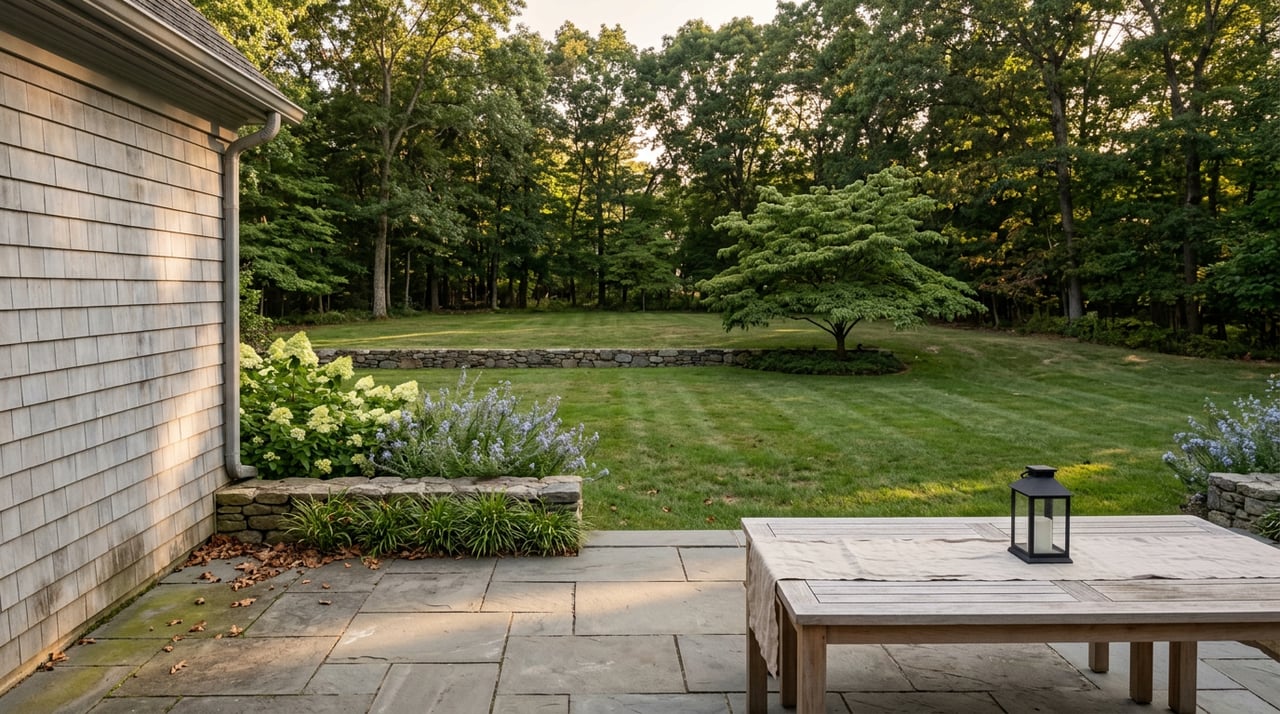
Westport buyers respond to usable, low-maintenance outdoor spaces. Emphasize decks, patios, and simple lighting that extend living space. If time or budget is tight, prioritize deck repairs or refinishing and a tidy, coastal-appropriate landscape. For ROI context on exterior and deck updates, see JLC Cost vs. Value 2025.
If time is short, do this first
- Replace or refresh the garage and front doors for a strong first impression. National benchmarks show very high cost recoup for these projects.
- Complete a minor midrange kitchen refresh, like refacing and new counters, instead of a major gut.
- Paint key interiors in light, neutral tones and update dated lighting.
- Stage the living room, kitchen, and primary bedroom with a focus on space, light, and lifestyle. Benchmarks from RESA and the NAR show measurable impact.
- Invest in professional photography and a clear features sheet.
A note on pricing tiers
Westport spans several price bands, from smaller condos and entry single-family homes to larger family properties and luxury or waterfront estates. Your update plan should match your tier. For example, turnkey expectations in commuter-friendly family neighborhoods often center on updated kitchens, baths, lighting, and paint. In luxury and waterfront, buyers may also scrutinize outdoor living, privacy, structural documentation, and coastal compliance.
Your next step to a great sale
You do not have to manage this alone. With 20-plus years in Fairfield County and certified staging, Lynne prepares every listing to stand out. That includes hands-on staging at no extra cost, trusted contractor guidance, professional photography, strategic pricing, and negotiation designed to maximize your net. Ready to plan your sale timeline and project list?
Let’s connect for a tailored pre-list plan and valuation. Reach out to Lynne Murphy to get started.
FAQs
When is the best time to list in Westport?
- Spring, especially March to May, is the prime season, with a secondary window in late September to early October. If you list outside those periods, aim for complete prep and standout presentation.
What do Westport buyers value most today?
- Many prioritize updated kitchens and baths, turnkey condition, and commute access via the New Haven Line. Others are focused on outdoor living and coastal proximity near Compo Beach or Saugatuck.
Should I get a pre-listing inspection for my Westport home?
- Often yes. A seller-side inspection can reduce renegotiation risk by surfacing repairs early so you can fix or disclose and price accordingly. Learn more from InterNACHI.
Do I need an elevation certificate to sell near the water?
- Not always, but it can influence flood insurance quotes and lender requirements. Start with the town’s resources on the Westport floodplain page and speak with your insurer.
How long is the Westport to NYC train ride?
- Typical on-train times to Grand Central are about 50 to 75 minutes depending on express or local service from Westport or Green’s Farms stations. Check current schedules on the MTA site.
Which rooms should I stage first for Westport buyers?
- Start with the living room, primary bedroom, and kitchen. National agent surveys highlight these spaces as the highest-impact rooms for photos and buyer decisions. See the NAR staging guide for priorities.