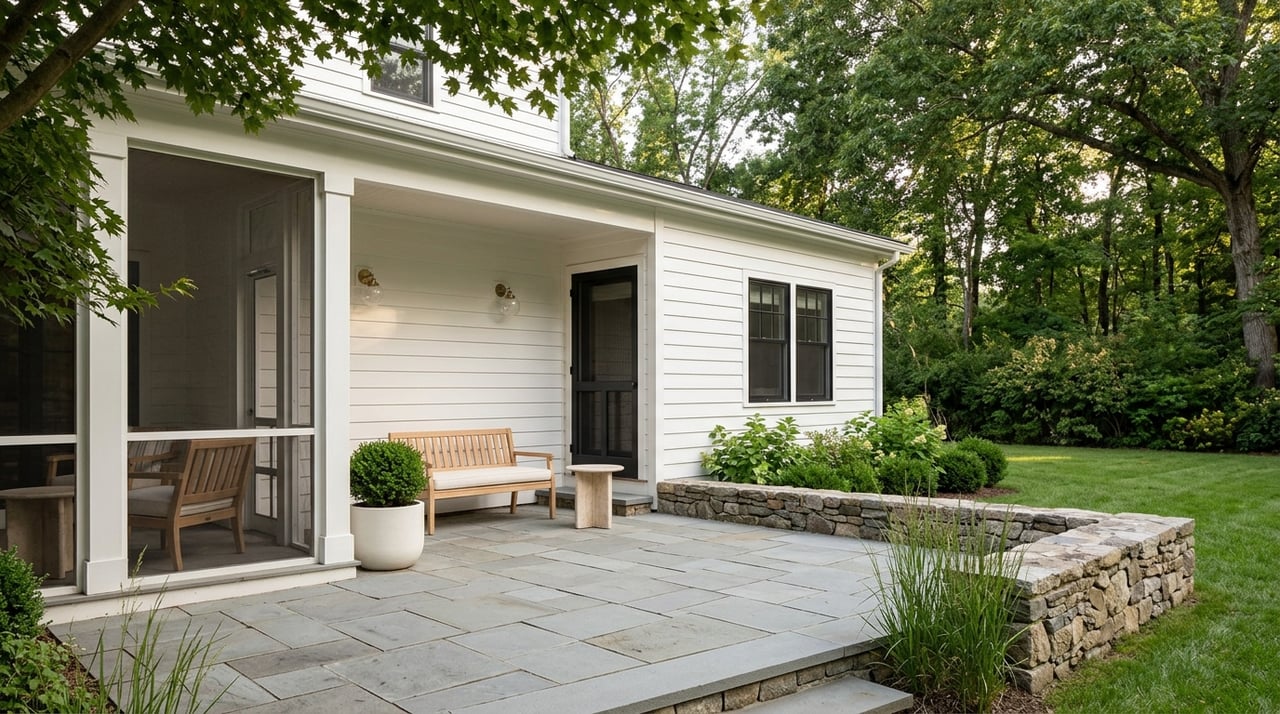
Craving more space, fresh air, and a simpler day-to-day without losing reach to New York? If you’re eyeing Weston, you’re not alone. Many city buyers consider Weston for its privacy, acreage, and strong public school campus. In this guide, you’ll get a clear picture of housing, taxes, commute choices, and lifestyle tradeoffs so you can decide with confidence. Let’s dive in.
Why buyers choose Weston
Weston offers a quiet, low-density setting with homes on generous lots and a community that gathers around its campus-style public schools. You trade big-town conveniences for room to breathe and easy access to nature. If privacy, outdoor space, and a calm pace rank high for your family, Weston fits the brief.
At the same time, Weston serves many professionals who work in or near Manhattan. There’s no local train station, so planning your commute is essential. The pattern that works for many is a hybrid: drive to a nearby station with the best schedule on office days and enjoy the peace and space of Weston the rest of the week.
Zoning, land, and privacy
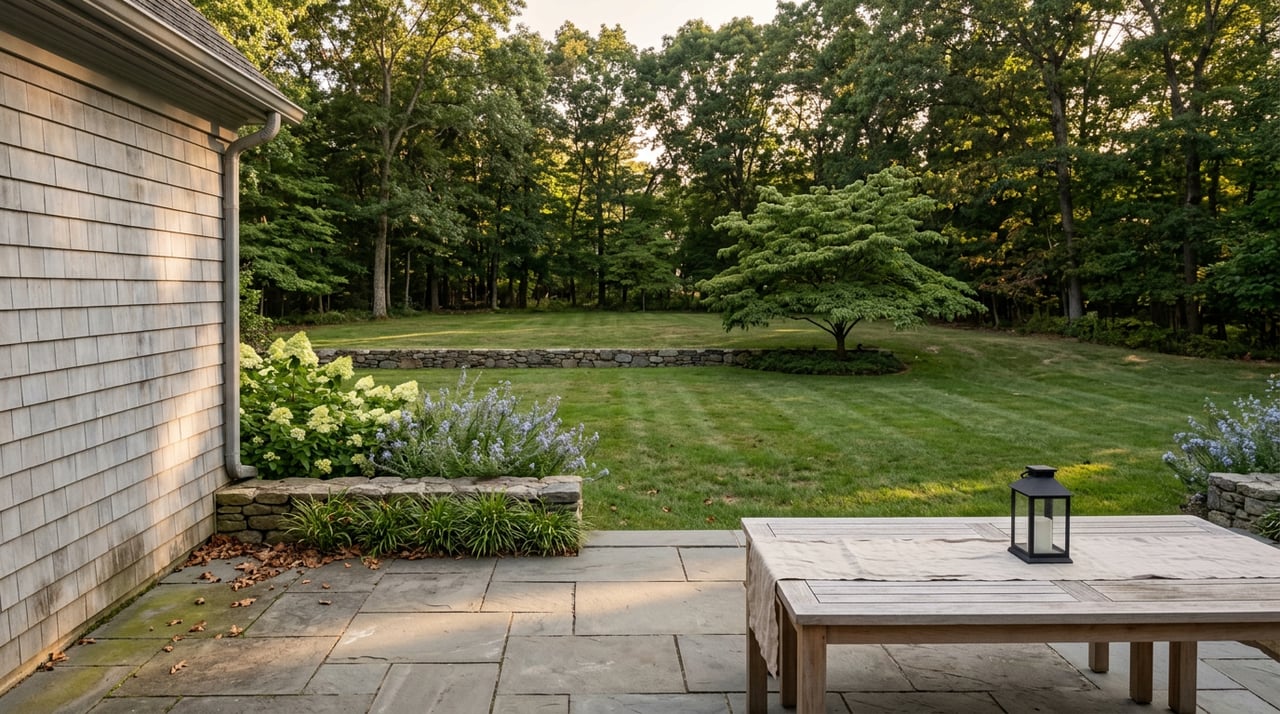
Weston’s two-acre residential zoning shapes almost everything you see when you drive the town. Large minimum lots keep density low and preserve the rural feel. That means:
- Most homes sit on 2+ acres with ample setbacks and mature trees.
- You’ll find space for outdoor amenities and quiet streets with little through-traffic.
- Smaller-lot subdivisions are uncommon, which limits entry-level supply.
Before you buy or plan a project, confirm buildable area, setbacks, and any wetlands on a specific parcel with the town’s Planning and Zoning office. The regulations and official zoning map explain frontage, coverage, and any special-permit standards.
Housing market at a glance
- Typical values: Zillow’s town-level index places Weston’s typical home value around the low-to-mid seven figures, with a recent snapshot near about $1.3M. Westport trends higher on average, while Wilton is often similar to Weston depending on neighborhood.
- Inventory: Active listings in Weston are limited. You’ll want to watch for new inventory, review recent comps closely, and be ready to tour quickly.
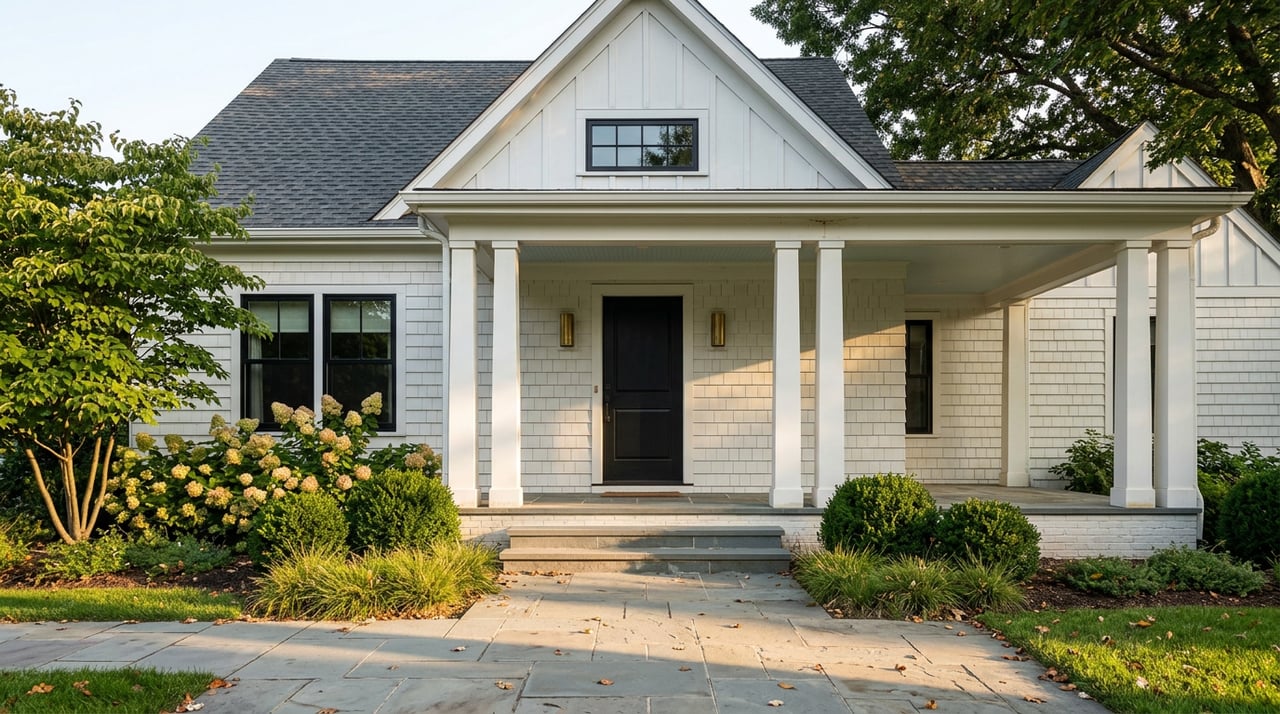
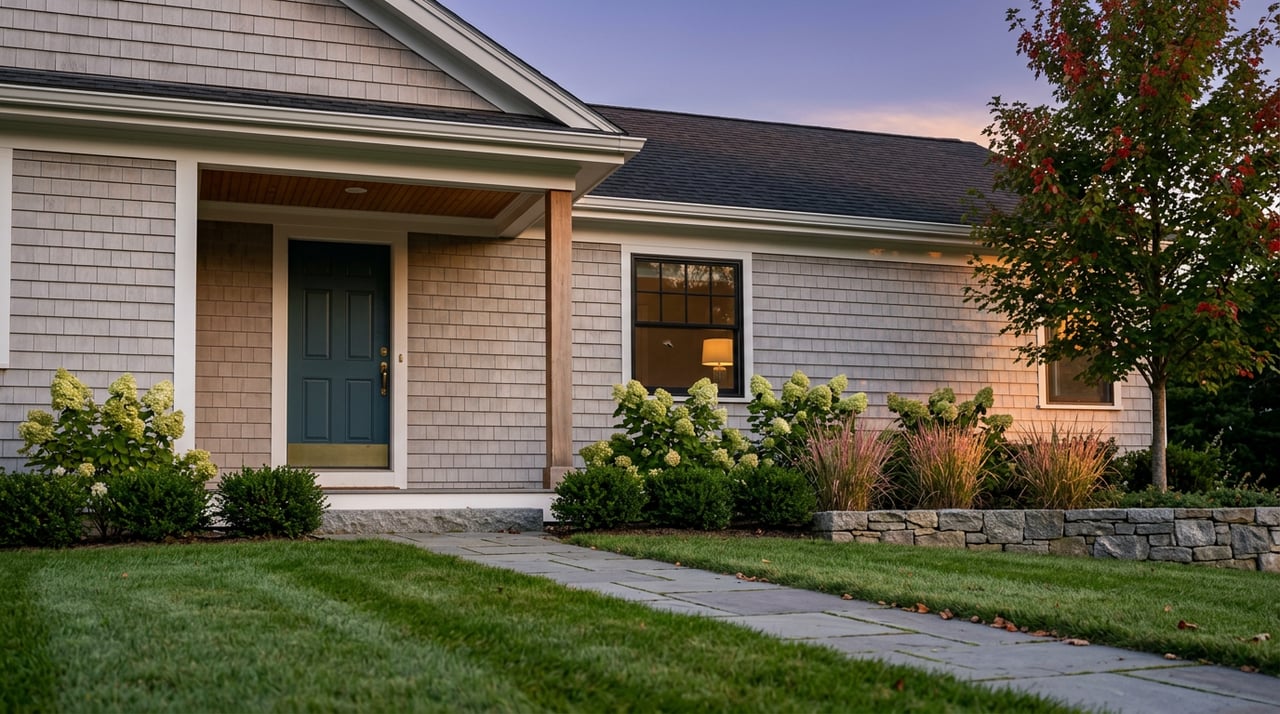
- Home types: Mostly single-family homes on acreage, from classic Colonials to modern builds and occasional equestrian or estate-scale properties. Accessory structures and any accessory dwelling unit options depend on parcel rules and permits.
If you are price-sensitive within the region, factor lot size and privacy into value. Westport’s median often runs higher town-wide; Wilton offers a mix of village-area lots and larger rural parcels. Your short list will likely balance commute, land, and budget.
Commute options from Weston
Weston does not have a Metro-North station. Most residents drive to one of several stations depending on schedule needs.
Westport station (New Haven Line)
- What to expect: More frequent service and faster express trains to Grand Central than branch-line options.
- Train time: Plan roughly 50 to 75 minutes on the train depending on your departure and pattern.
- Door-to-door tip: Add your drive to the station, parking time, and arrival time in Manhattan to estimate your actual commute.
Wilton/Cannondale (Danbury Branch)
- What to expect: Fewer trains and many runs require a transfer at South Norwalk or Stamford.
- Door-to-door time: Often 75 to 95+ minutes because of lower frequency and transfers.
- Best use: Works for flexible schedules or specific train times that match your day.
Parking and first/last mile
- Stations like Westport, South Norwalk, and Wilton may have permit lists and limited daily spaces. Check policies and plan early.
- Many Weston commuters use a hybrid rhythm: drive to the fastest line on heavy office days and work from home or stay local on others.
- If you drive all the way to Manhattan, plan for tolls and rush-hour traffic.
For an accurate estimate for your exact address, combine drive time to your preferred station with the current MTA timetable and a few minutes for station exit in the city.
Taxes and cost of ownership
Connecticut towns calculate property tax using an assessed value at 70 percent of market value and a mill rate that changes each fiscal year.
- Formula: Tax = (market value × 70%) ÷ 1,000 × mill rate.
- Example on a $1,300,000 home: Assessed value is $910,000. Using example mill rates cited in recent town documents:
- Weston mill example 25.17 → about $22,905 per year.
- Wilton mill example 29.2608 → about $26,627 per year.
- Westport mill example 18.86 → about $17,163 per year.
Mill rates update annually. Use the latest adopted rate from the town’s assessor or Board of Finance to compute your estimate for the year you plan to close.
Schools and community life
Weston Public Schools are a true community hub. All four schools sit on a single campus about a mile end-to-end, and district enrollment is roughly 2,200 students. The district publishes performance and per-pupil spending data on Connecticut’s Edsight platform. Families appreciate the centralized campus, community programming, and the ease of school logistics.
As a town, Weston is defined by open space and conservation areas. If you enjoy hiking, biking, quiet roads, and time at home, the lifestyle fits. For a broader dining and retail scene, most residents head to nearby centers in Westport, Wilton, Norwalk, and Fairfield.
Weston vs. Wilton vs. Westport
Use this quick comparison to focus your search:
- Taxes: Westport has posted a materially lower mill rate in recent years compared with some inland towns, while Wilton and Weston have often been higher. Always plug your target price into the formula with the current adopted mill rate for a real comparison.
- Lot size and feel: Weston emphasizes two-acre lots across much of town, which creates privacy and quiet roads. Wilton mixes village-area lots with large rural parcels. Westport has a walkable downtown with smaller lots near the coast and larger lots inland.
- Commute priorities: If frequent express trains matter most, Westport, South Norwalk, or Stamford stations tend to win. If acreage and privacy are the priority, and you can handle a longer or hybrid commute, Weston is a strong fit.
- Schools: Each district has its own strengths. Review each district’s Edsight profile for neutral, published metrics when comparing programs and performance.
A simple relocation game plan
- Define your must-haves: land size, commute pattern, school logistics, and budget.
- Map your commute: pick your likely station, add drive plus train time, and test a few departure windows.
- Run the tax math: use the 70 percent assessed method and each town’s current mill rate.
- Track inventory: because Weston’s listings are limited, set alerts and tour new options quickly.
- Verify property specifics: check zoning, wetlands, coverage, and any accessory structure or ADU rules that matter to your plans.
- Compare nearby towns: tour a day in Weston, Wilton, and Westport to feel the differences in pace, streets, and amenities.
Bottom line
Weston sells on privacy, acreage, and a campus-style school setup. You trade daily walkability and a local train stop for space and a calm, outdoorsy lifestyle. If a hybrid commute works for you and you value room to grow, Weston deserves a close look.
Ready to explore if Weston is the right move? Reach out to Lynne Murphy for local guidance, on-the-ground touring, and a clear plan for your search.
FAQs
How long is the commute from Weston to NYC on typical days?
- Most Weston commuters drive to Westport for New Haven Line trains and plan about 50 to 75 minutes on the train, plus drive and parking time. Using Wilton’s Danbury Branch often adds time due to fewer trains and transfers.
How are property taxes calculated in Weston, Wilton, and Westport?
- Connecticut uses 70 percent of market value as the assessed value, multiplied by each town’s mill rate. Mill rates change each year, so confirm the current adopted figure before estimating.
What should I know about station parking if I live in Weston?
- Westport, South Norwalk, and Wilton stations may require permits and have limited daily spaces. Check each station’s current policy and consider a hybrid plan that uses different stations based on your schedule.
What makes Weston’s schools distinctive compared with nearby towns?
- Weston Public Schools operate on a single, one-mile campus with about 2,200 students districtwide. For neutral comparisons, review published district metrics on Connecticut’s Edsight platform.
Does Weston allow smaller-lot subdivisions or ADUs?
- Much of Weston is zoned for two-acre residential lots with specific frontage, setback, and coverage rules. Subdivision and accessory dwelling options depend on parcel details and permits; confirm with the Planning and Zoning office.
What kinds of homes are most common in Weston?
- Expect single-family homes on large lots, from classic Colonials to newer construction and some estate or equestrian properties. Smaller-lot neighborhoods are uncommon due to two-acre zoning.