Wondering how much staging really matters when you sell in Wilton? In a market filled with owner-occupied homes, high property values, and many distinctive single-family houses, the way your home looks and feels can shape how quickly buyers connect with it. The good news is that you do not need to stage every inch perfectly to make a strong impression. You need a smart plan that highlights the rooms buyers care about most and respects the character that makes your home stand out. Let’s dive in.
Why staging matters in Wilton
Wilton is not a market where a one-size-fits-all staging plan works well. Most homes are owner-occupied, most housing is single-family, and a meaningful share of homes were built before 1960. That mix tends to reward staging that feels clean, spacious, updated, and respectful of original details rather than overly trendy.
There is also solid staging data behind the effort. According to the 2025 Profile of Home Staging, 83% of buyers' agents said staging made it easier for buyers to picture a property as their future home. The same report found that 49% of sellers' agents said staging reduced time on market, and 29% saw staging increase the dollar value offered by 1% to 10%.
For Wilton sellers, that often means your goal is not to remake the house. Your goal is to help buyers see a bright, well-kept home that feels easy to live in while still showing the character that belongs there.
Start with the right staging priorities
If your time or budget is limited, focus first on the rooms buyers notice most. National staging data points to a clear order: living room, primary bedroom, kitchen, and dining room. After that, turn to bathrooms, office or flex spaces, and then secondary bedrooms.
Before you add decor, handle the basics first. Agents most often recommend decluttering, whole-home cleaning, removing pets during showings, minor repairs, landscape work, paint updates, carpet cleaning, and professional photography. In other words, the best staging starts with making the home feel cared for.
Entry and foyer staging
Your entry sets the tone for the entire showing. If buyers walk in and see shoe piles, overloaded hooks, or furniture blocking the path, the home can feel smaller before they even reach the main rooms.
Keep this area simple and open. Clear out extra coats, shoes, bags, and seasonal overflow. Add one clean focal point, such as a small console or a simple mirror, so the first impression feels calm and organized.
In Wilton, where many buyers may be balancing commuting and busy schedules, a smooth and functional entry can be especially appealing. An easy path in and out helps the home feel practical from the start.
Living room staging
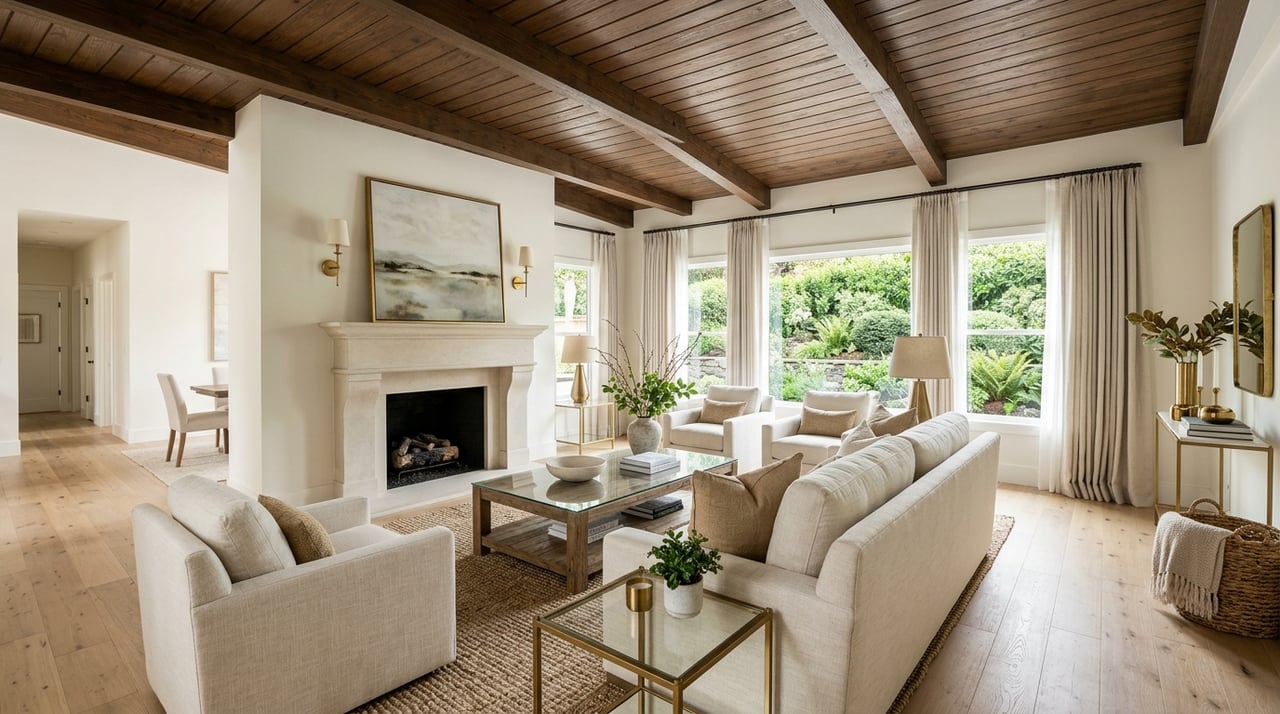
The living room should be your top priority. It is the room most commonly staged, and it is also one of the rooms buyers care about most.
Start by removing extra furniture. If the room feels crowded, buyers may assume the whole home lacks space. A smaller, well-placed seating group usually works better than trying to fill every corner.
Make conversation and traffic flow obvious. Buyers should be able to picture where they would sit, how they would move through the room, and how the space functions day to day. If your home has a fireplace, large windows, built-ins, or original trim, let those features stay visible.
For older or character-rich homes in Wilton, this matters even more. You want the room to feel polished, not stripped of personality. Good staging supports original features instead of competing with them.
Kitchen staging
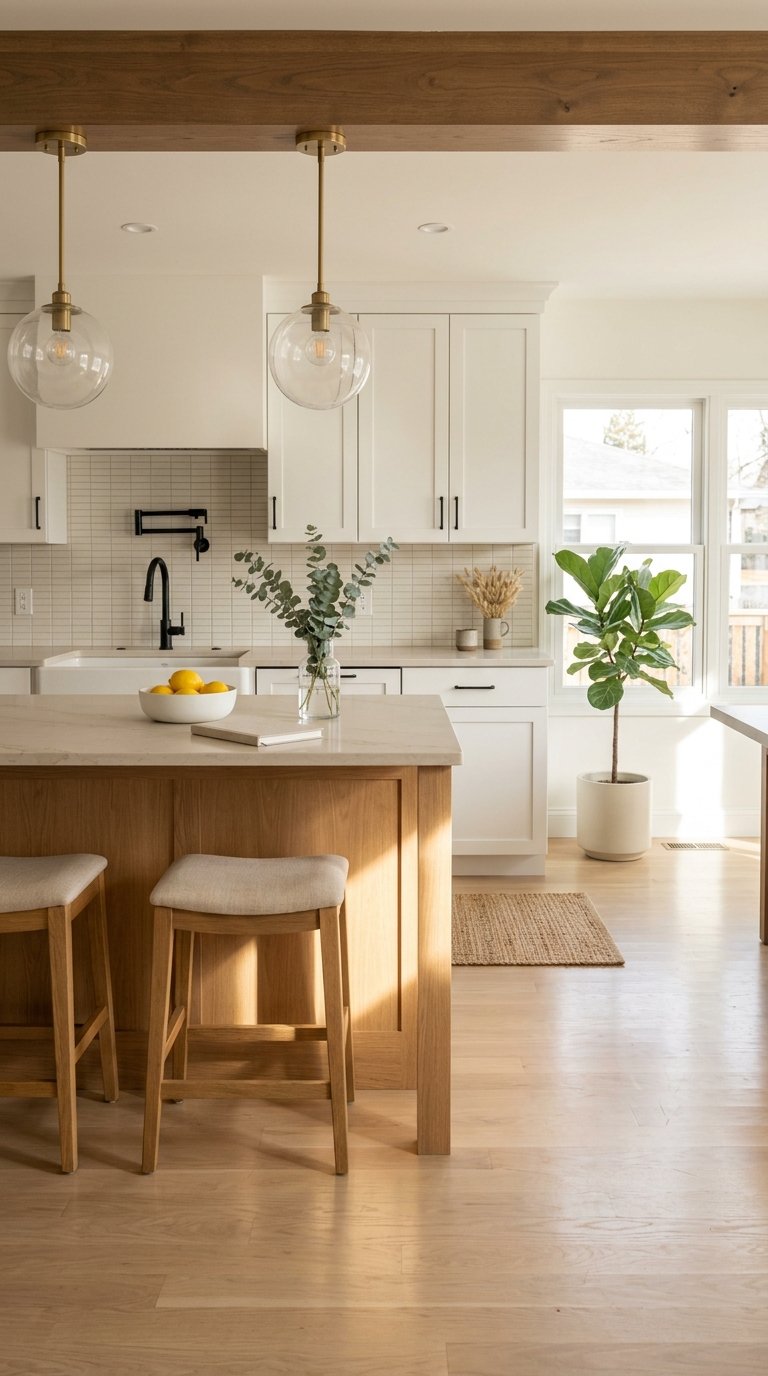
The kitchen does not need to look unused. It needs to look clean, efficient, and easy to maintain.
Clear the counters as much as possible. Store away mail, small appliances, and daily clutter so buyers can focus on workspace and layout. Deep-clean appliances, cabinet fronts, the sink, grout, and floors so the room reads as fresh.
If you want to style the kitchen, keep it minimal. A bowl of fruit or one neat grouping on the counter is enough. Too many decorative pieces can make the room feel busy and smaller than it is.
Dining room staging
The dining room should help buyers understand scale. If the table is too large or the chairs crowd the walkways, the room can make the entire floor plan feel tighter.
Use a table that fits the space comfortably. Keep the centerpiece simple and low so sight lines stay open. The goal is to show that people can gather there without sacrificing circulation.
This is one of those rooms where less usually works better. Buyers do not need a dramatic tablescape. They need to quickly see how the room functions.
Primary bedroom staging
The primary bedroom should feel restful, open, and easy to enjoy. Make the bed the clear focal point with simple, calm bedding in light or neutral tones.
Remove extra chairs, storage pieces, or exercise equipment if they make the room feel cramped. You also want to edit closets and under-bed storage because buyers will pay attention to how much usable storage the home appears to have.
A packed primary bedroom can unintentionally signal that the house lacks space. A pared-back room, by contrast, helps buyers imagine comfort and order.
Secondary bedrooms and kids' rooms
These rooms do not need heavy staging. In fact, highly personalized bedrooms often make it harder for buyers to picture how they would use the space.
Think flexible and neutral. A simple bed, a desk, and tidy storage can help a bedroom read as useful without overdoing it. Children's rooms are among the least commonly staged spaces, so your goal here is basic presentation, not perfection.
If one bedroom is awkward or small, consider giving it a clear purpose. A guest room, study area, or simple office setup can help buyers understand its value.
Bathrooms that feel spotless
Bathrooms usually offer a strong return on relatively low effort. Even small signs of wear, like dingy grout or old caulk, can make buyers worry about deferred maintenance.
Focus on cleanliness first. Polish mirrors, brighten lighting, clean tile and grout, and replace worn towels with fresh neutral ones. Clear counters so the room feels larger and easier to maintain.
If there are obvious cosmetic issues, fix them before photos and showings. Buyers often read bathrooms as a quick signal of how well the rest of the home has been cared for.
Home office and flex space
A dedicated office or flexible bonus room can be especially helpful to show in Wilton. The town's commuter history and Metro-North access support staging that highlights practical daily living, including work-from-home or hybrid routines.
You do not need a complex setup. A simple desk, a lamp, and tidy storage are usually enough. Make sure cables are hidden and the room has a clear purpose.
If your home has a den, nook, or spare room, do not leave it undefined. Buyers respond better when they can quickly understand how a space could support work, hobbies, or quiet overflow living.
Mudroom, laundry, basement, and garage
Utility spaces matter more than many sellers think. When these areas are overflowing, buyers may assume the home does not have enough storage.
Aim for organized and functional. Use baskets, straighten shelves, clear the floor, and create an obvious walking path. In the laundry room, keep only a few essentials visible.
The same goes for the basement and garage. Buyers do not expect these spaces to look fancy, but they do want to understand storage capacity and usability.
Exterior staging and curb appeal
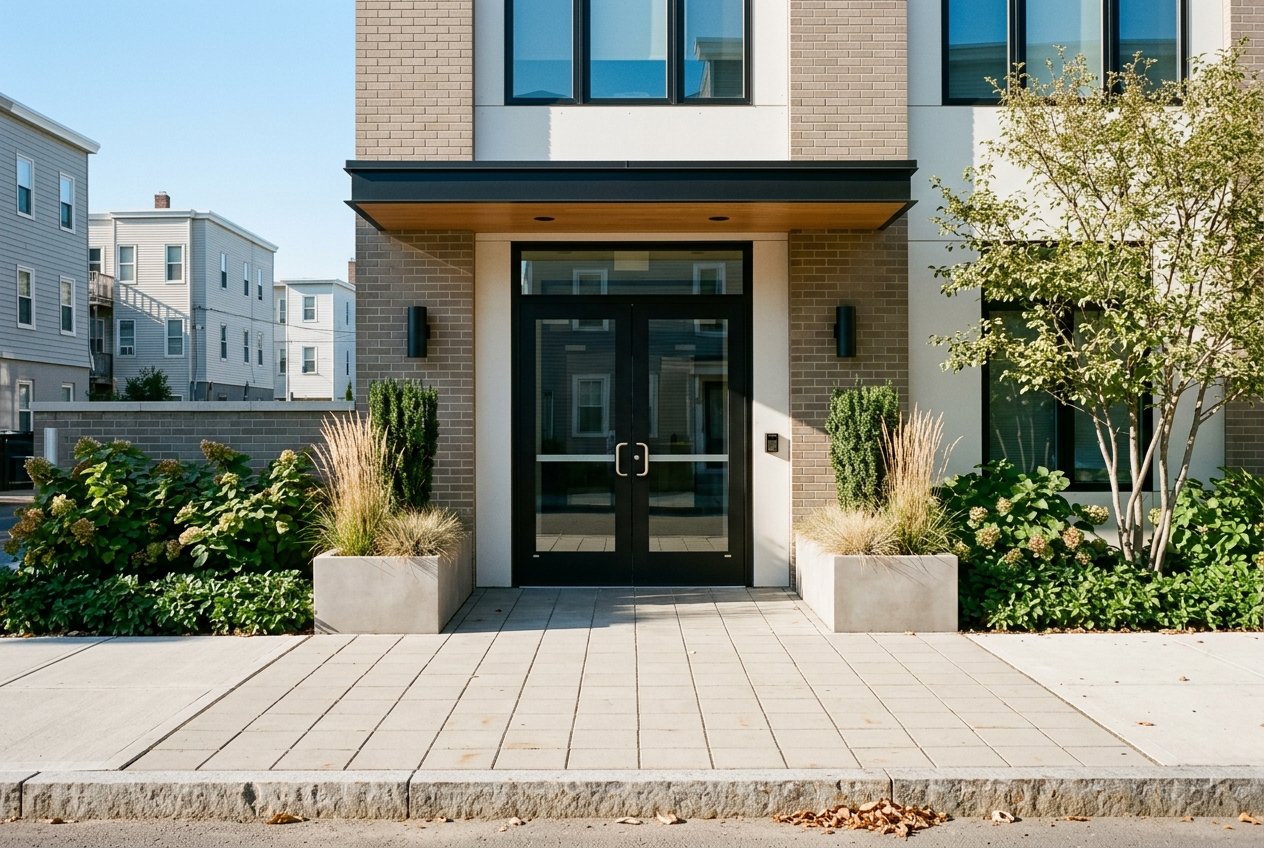
Curb appeal matters in Wilton, where open space and a more rural atmosphere are part of the town's identity. The exterior should feel neat, maintained, and welcoming before buyers ever step inside.
Trim shrubs, mow and edge the lawn, sweep walkways, and clean up the front entry. If needed, touch up the front door and power-wash surfaces so the home photographs well and shows well in person.
If your property is locally historic or in a local historic district, be careful with exterior changes. The town may require a Certificate of Appropriateness for certain visible exterior work. For many older homes, reversible presentation updates and preservation of original details are the smarter path.
How to stage antique or historic homes
Wilton has deep colonial roots and many homes with older architectural details. If you are selling one of these properties, staging should support the home's character, not erase it.
Let original trim, fireplaces, woodwork, windows, and traditional proportions stay visible. Avoid decor that feels too slick or overly modern if it clashes with the home's architecture. Buyers drawn to older homes often want character, but they also want to see that the house feels bright, cared for, and livable.
This is where restraint pays off. A character-sensitive staging plan can make an older home feel timeless instead of dated.
What to do if the home is vacant
Empty rooms are harder for buyers to read. Staging data shows that traditional physical staging and strong listing photos carry more weight with buyers than virtual staging alone.
If your home is vacant, focus your budget on the key rooms first. In most cases, that means the living room, primary bedroom, kitchen, and dining area. Even partial physical staging can help buyers judge scale and feel more connected to the home.
Your minimum pre-listing checklist
If you want the short version, start here:
- Declutter every room
- Deep-clean the whole house
- Remove pets during showings
- Repair visible issues
- Touch up paint where needed
- Clean carpets and floors
- Tidy exterior spaces and landscaping
- Schedule professional photography only after the home is fully ready
This sequence matters. Photos should capture the finished presentation, not a halfway point.
The best Wilton staging plan is thoughtful
In Wilton, the strongest staging plan is rarely the flashiest one. Buyers often respond best to homes that feel spacious, bright, well maintained, and true to their architecture.
That is especially important in a market where many homes are high-value single-family properties and where older houses may have meaningful original details worth preserving. When you stage with intention, you help buyers see both the home's beauty and its livability.
If you are preparing to sell and want a practical plan tailored to your house, Lynne Murphy can help you prioritize the updates and staging choices that make the biggest impact.
FAQs
Do all rooms need to be staged when selling a home in Wilton?
- No. The strongest priority is usually the living room, primary bedroom, kitchen, and dining room, followed by bathrooms and office or flex spaces.
Is staging worth it for a Wilton home sale?
- Staging often helps buyers picture themselves in the home, and many agents report faster sales and stronger offers when a home is well staged.
How should you stage an older or historic home in Wilton?
- Focus on clean, reversible updates, preserve visible original features, and avoid over-modernizing the spaces.
What is the minimum staging prep before listing a Wilton home?
- Start with decluttering, whole-home cleaning, removing pets during showings, fixing obvious issues, and taking professional photos only after the home is ready.
Should a vacant Wilton home be physically staged?
- In many cases, yes. Physical staging in the main rooms usually helps buyers understand scale and connect with the home more easily than virtual staging alone.