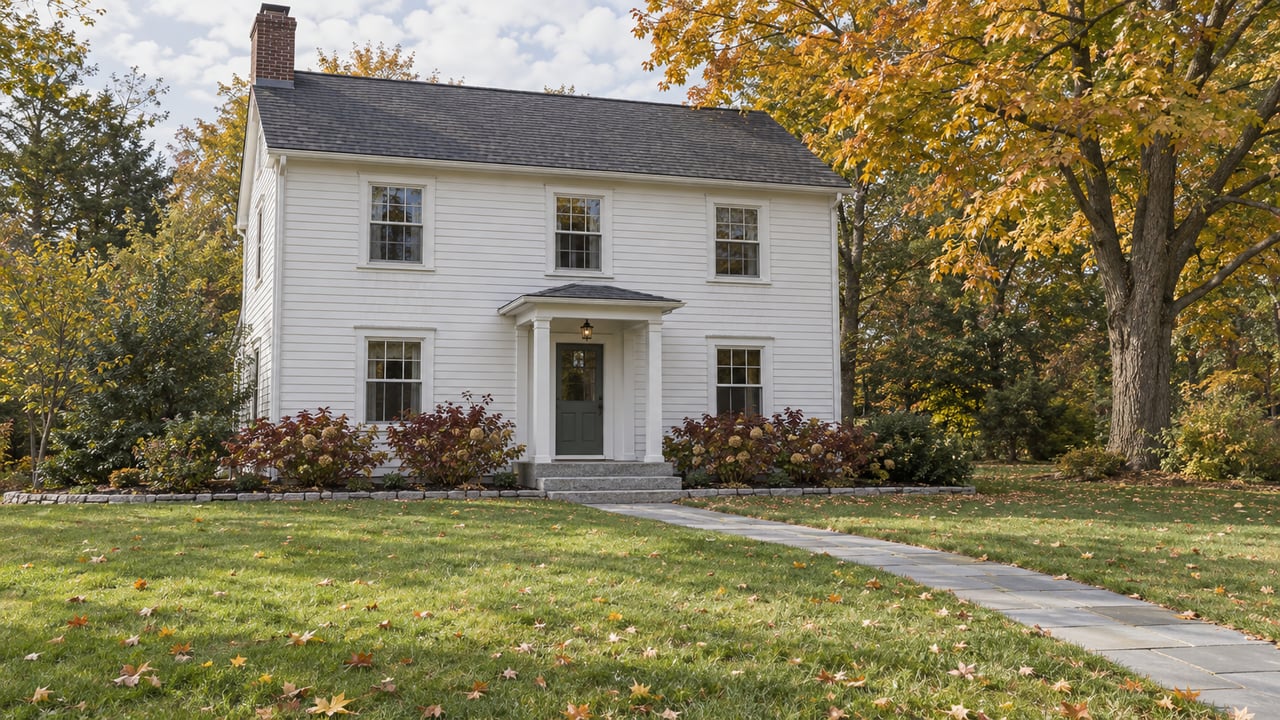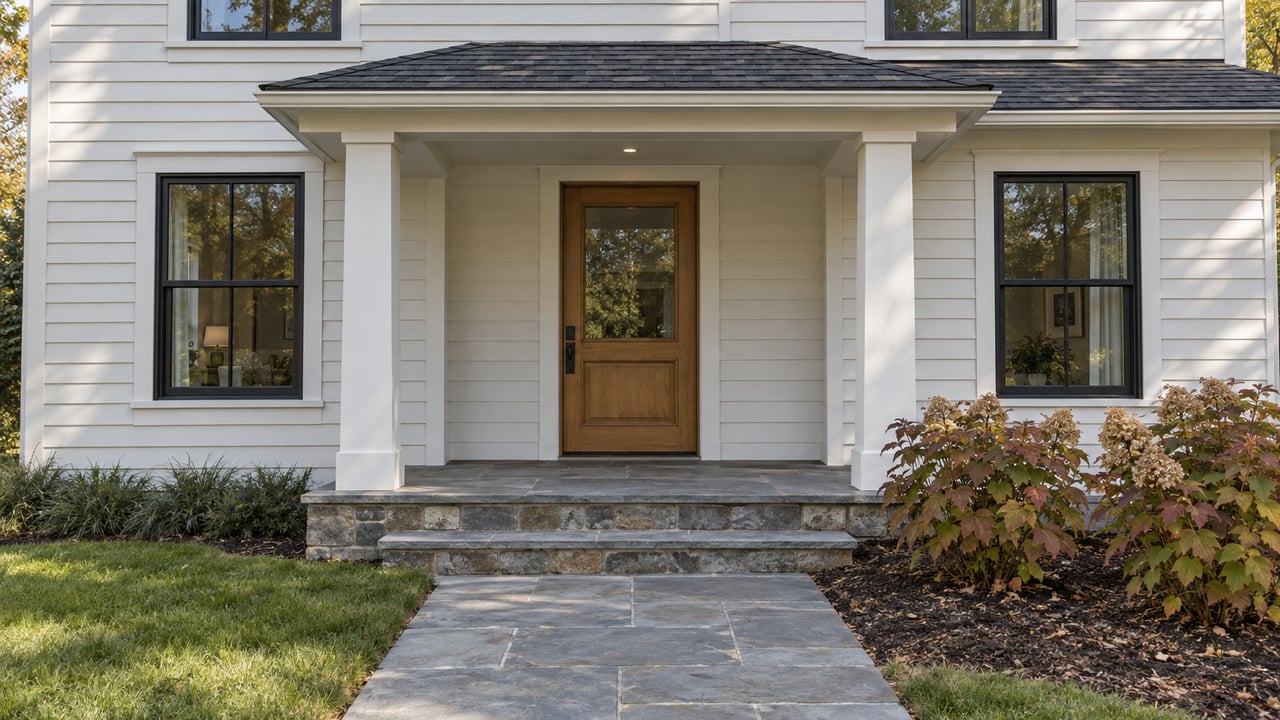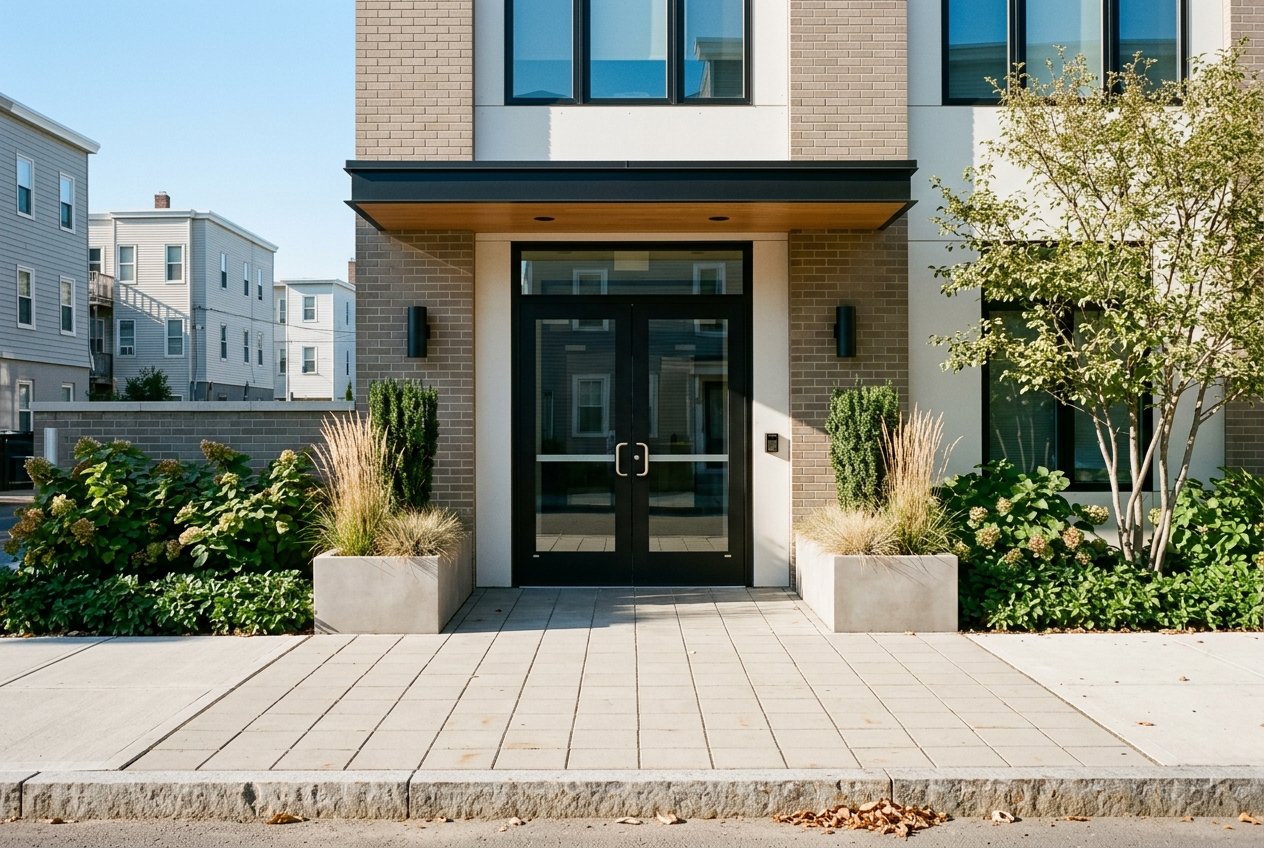
If train access is high on your list, Stamford gives you more than one way to live near the rails. You might want a downtown, car-light setup, or you may be looking for a quieter neighborhood feel with a station nearby. The good news is that Stamford offers three distinct station-area lifestyles, and each one feels different day to day. Let’s dive in.
Stamford Station Areas at a Glance
When people talk about living near Stamford’s train stations, they are usually talking about one of three places: the Stamford Transportation Center downtown, Glenbrook, or Springdale. Stamford Transportation Center sits on Metro-North’s New Haven Line, while Glenbrook and Springdale are on the New Canaan Branch.
That matters because your daily routine will look different depending on which station area you choose. Downtown feels more urban and transit-rich, while Glenbrook and Springdale offer more of a neighborhood or village-style setting with direct rail access.
Downtown Near Stamford Transportation Center
If you want the most walkable and connected station-area lifestyle in Stamford, downtown is the clearest option. The area around the Stamford Transportation Center is dense, active, and built for people who want easy access to rail, local transit, and daily conveniences.
The station itself is a major hub. According to the city, it is Metro-North’s second-busiest station after Grand Central and serves more than 8.5 million riders each year. It is also designed with accessibility in mind, with elevators, ramps, tactile warning strips, audiovisual passenger information systems, ticket machines, restrooms, Amtrak connections, and CTtransit service.
What Daily Life Feels Like Downtown
Downtown Stamford is the most urban of the three station areas. The district includes apartment buildings, condos, hotels, offices, smaller mixed-use buildings, and many structures dating back to the late 19th and early 20th centuries.
For everyday living, many of the most active spots cluster around Bedford Street, Lower Summer Street, Columbus Park, and Mill River Park. Bedford Street serves as a main restaurant, bar, and retail corridor, while Lower Summer Street is known as a strong dining and pedestrian area.
Mill River Park adds another layer to downtown living. The city describes it as a 14-acre park with bike and pedestrian paths, a performance space, a carousel pavilion, an ice rink, and a fountain. If you want the option to walk to the train, grab dinner, and spend time outdoors without getting in the car, downtown offers the strongest mix.
Getting Around Downtown
Downtown is also the easiest station area if you want multiple transit options. In addition to Metro-North and Amtrak access, CTtransit connects the station to downtown and other parts of Stamford, and the Harbor Point trolley stops at the station, Government Center, UConn, Ferguson Library, Stamford Town Center, and other destinations.
Parking works differently here than in the branch-line neighborhoods. Downtown uses a paid system of garages and meters, with payment options that include Parkmobile, credit or debit cards, and pay stations. For some buyers, that is a fair trade for living in the most connected part of the city.
Glenbrook Near the New Canaan Branch
Glenbrook offers a different experience. Instead of a busy downtown setting, you get more of a station village atmosphere with local character, neighborhood parks, and direct rail access on the New Canaan Branch.
The neighborhood association describes Glenbrook’s goal as maintaining a village atmosphere near the train station while improving quality of life and encouraging train use. That description fits the area well if you are looking for a place that feels established and community-oriented rather than fully urban.
What Stands Out in Glenbrook
Glenbrook is known for mature trees, historically significant architecture, and local green space like Hope Street Park. City project pages also point to ongoing pedestrian and intersection upgrades around Glenbrook Road, Church Street, and the station area.
That planning focus is worth paying attention to. It suggests the area is continuing to improve how people move between the station, nearby streets, and neighborhood destinations on foot.
Housing here feels less dense than downtown. The broader pattern includes a long-running village-commercial setting, along with apartment houses and condominiums that developed over time on former larger lots.
Glenbrook Commute and Access
Glenbrook Station is on the New Canaan Branch, with service patterns that support commuter rail access to Grand Central. Accessibility information notes that the station is reached by ramps through the parking lot.
For drivers, the city manages the commuter lot here. Current city parking information shows both daily parking and monthly permit options, which may appeal if you want train access without relying on a downtown garage system.
Springdale Near the New Canaan Branch
Springdale is often the best fit for buyers who want train access and a more self-contained neighborhood feel. Of Stamford’s station areas, it comes closest to a small-town main street experience while still offering a direct rail connection.
The Springdale Neighborhood Association describes the area as having its own train station, fire department, library, movie theater, shopping center, restaurants, and other everyday destinations. That mix gives the neighborhood a practical, lived-in feel that many buyers find appealing.
What Daily Life Feels Like in Springdale
Springdale has a strong local identity. Hope Street runs through the neighborhood as its main artery, and the housing mix includes single-family homes west of the business district, along with townhouses and high-rise condos.
That variety can be especially useful if your needs are changing. You may find options that suit a first move into Stamford, a downsizing plan, or a search for a low-maintenance home with rail access.
Parks also help define the neighborhood feel. The city identifies nearby spaces such as Drotar Park and Sleepy Hollow Park, which support everyday outdoor use with playgrounds, sports fields, and dog-walking or wildlife-watching areas.
Springdale Commute and Access
Springdale Station is also on the New Canaan Branch, with service patterns that support travel to Grand Central. Like Glenbrook, accessibility information notes station access by ramps through the parking lot.
The city’s transit-oriented development work in Springdale is focused on improving pedestrian circulation, crossings, sidewalks, lighting, kiss-and-ride access, and bus shelters. In practical terms, that points to a station area that is working to become easier and more comfortable to navigate on foot.
How the Three Areas Compare
If you are deciding where to focus your search, it helps to think of these station areas as a lifestyle spectrum. Each one offers train access, but the feel on the ground is different.
| Area | Overall Feel | Housing Pattern | Best Fit For |
|---|---|---|---|
| Downtown | Urban, active, highly walkable | Apartments, condos, mixed-use buildings | Buyers who want the most transit-rich, car-light lifestyle |
| Glenbrook | Village-like, established, local | Mixed housing with older character and condos | Buyers who want station access with a neighborhood feel |
| Springdale | Self-contained, main-street feel | Single-family homes, townhouses, condos | Buyers who want rail access with a small-town atmosphere |
What Buyers Should Think About First
Before you focus only on commute time, think about how you want your week to feel. Do you want to walk to restaurants and parks after work, or would you rather be in a neighborhood where the station is part of a quieter daily rhythm?
You should also think about your housing priorities. Downtown tends to align with condo and apartment-style living, while Glenbrook and Springdale offer a broader mix as you move away from the downtown core.
Parking and mobility matter too. If you plan to drive to the station, city-managed branch-line lots and downtown garage systems create different routines and costs.
Why This Matters in a Home Search
Living near a station is not just about the train ride. It shapes how you shop, dine, get around, spend weekends, and decide whether you need a car for every errand.
In Stamford, you are not choosing between train access and neighborhood character. You are choosing which version of train-oriented living fits you best: downtown convenience, Glenbrook’s village atmosphere, or Springdale’s self-contained neighborhood feel.
If you are comparing Stamford neighborhoods and want help matching your commute needs with the right home style and setting, Lynne Murphy can help you narrow your options and move forward with confidence.
FAQs
What is the main train station in downtown Stamford?
- The main downtown station is the Stamford Transportation Center, which is on Metro-North’s New Haven Line and also includes Amtrak and CTtransit connections.
Which Stamford neighborhoods have their own train stations?
- Glenbrook and Springdale are the Stamford neighborhoods with their own train stations, and both are on the New Canaan Branch.
Is downtown Stamford the most walkable station area?
- Downtown is the most walkable and transit-rich of Stamford’s station areas, based on its density, connected transit options, and concentration of amenities.
What kind of housing is near Stamford Transportation Center?
- Near the Stamford Transportation Center, housing is mostly apartments, condos, and mixed-use residential buildings in a more urban setting.
What is Glenbrook like for commuters in Stamford?
- Glenbrook offers direct rail access on the New Canaan Branch, a village-style atmosphere, commuter parking options, and ongoing pedestrian improvements around the station area.
What is Springdale like for buyers who want train access?
- Springdale offers train access with a more self-contained neighborhood feel, along with a mix of single-family homes, townhouses, condos, and local everyday amenities.