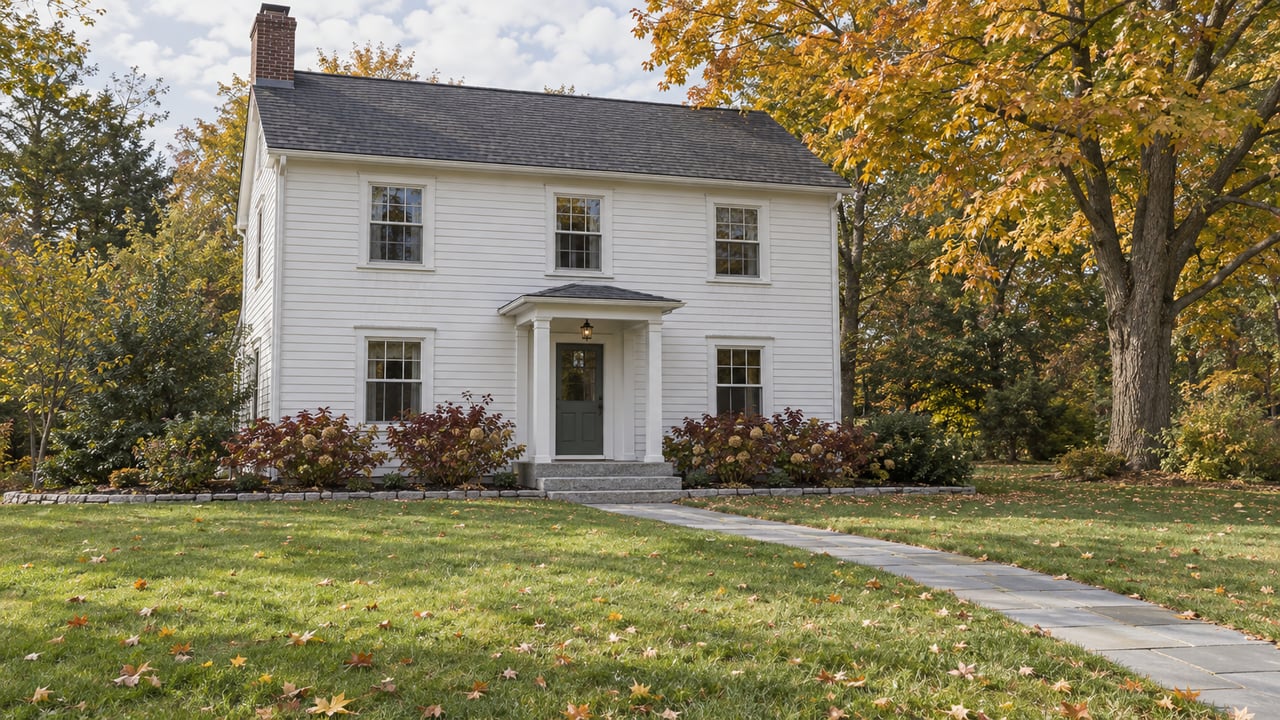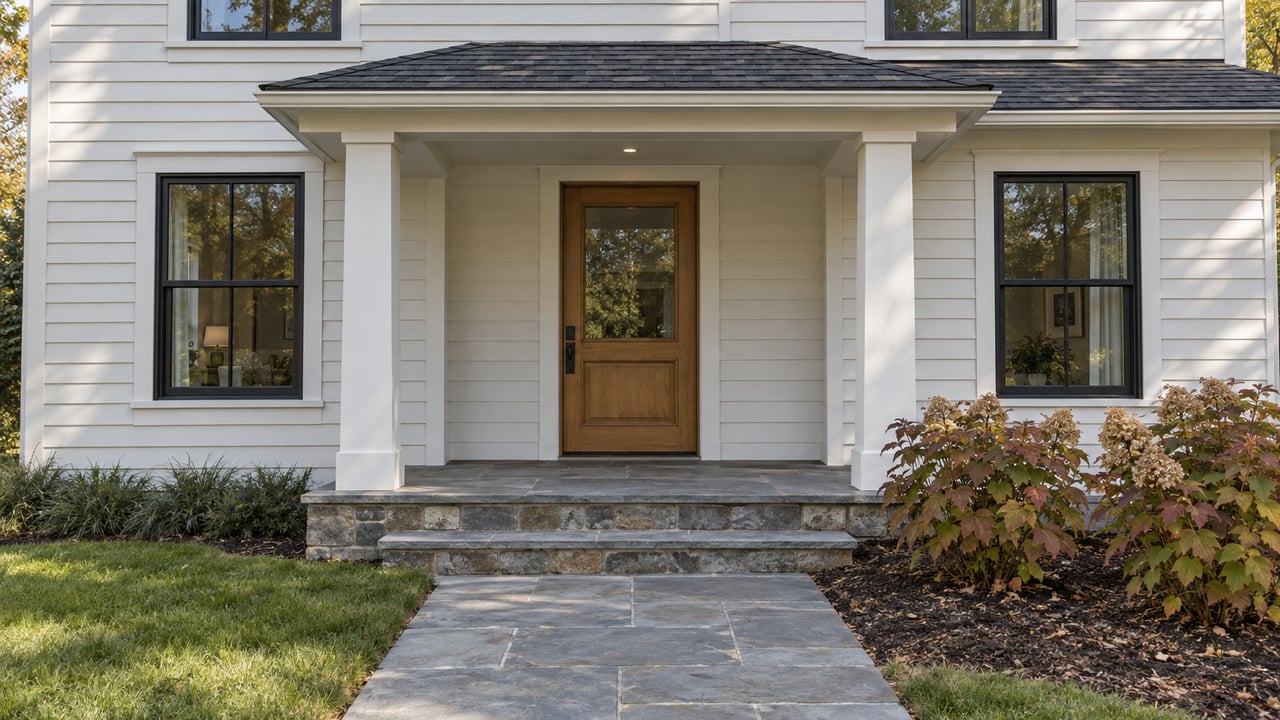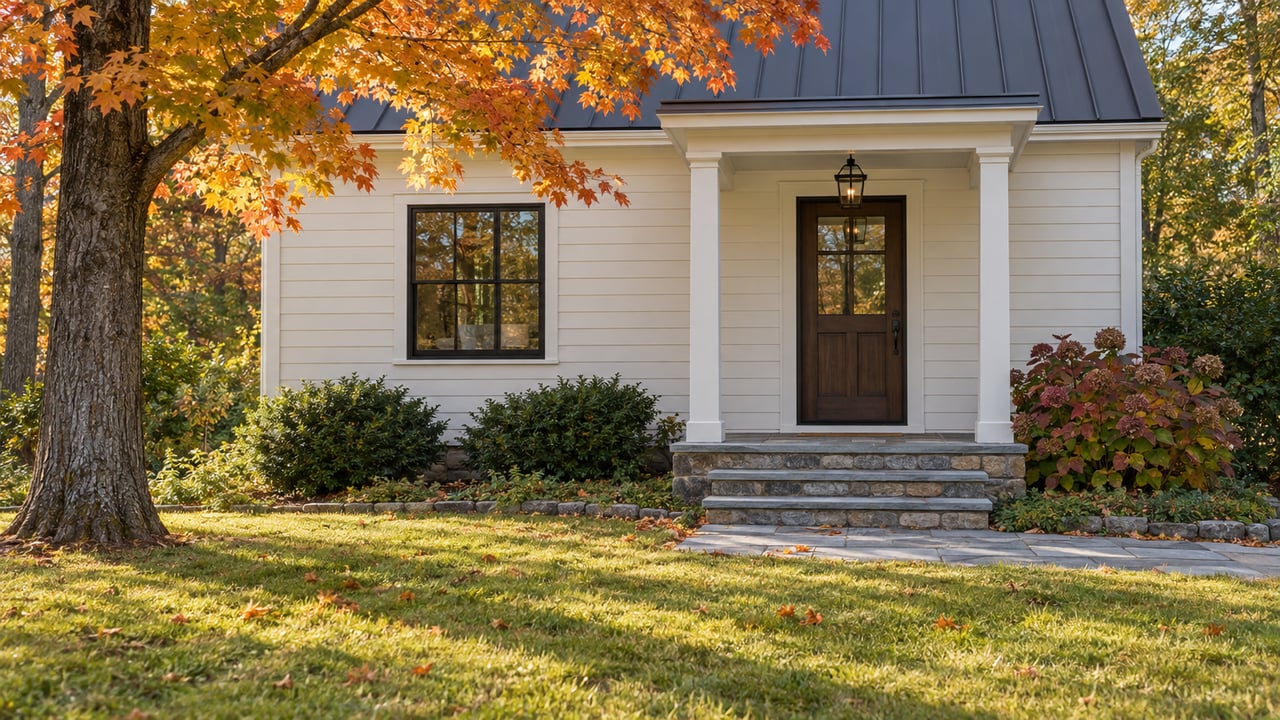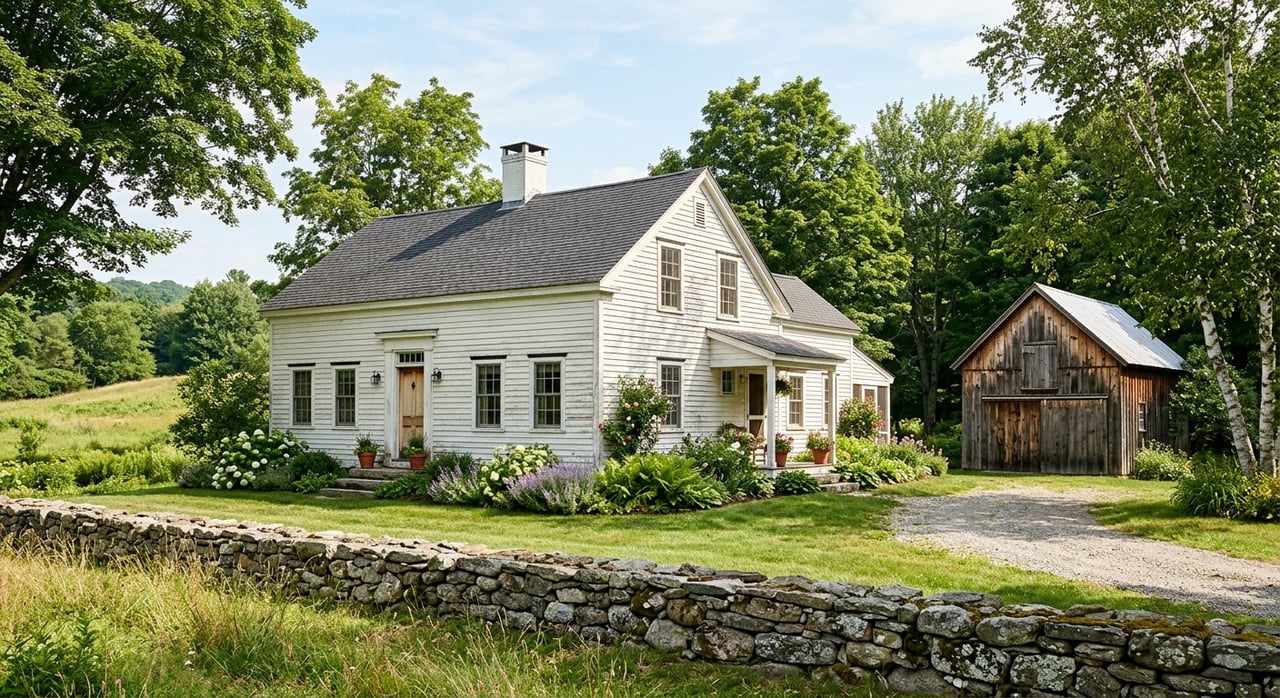
If you are dreaming about an antique home with land in Redding, you are not just buying a house. You are buying history, acreage, and a set of land-use rules that can shape how you live on the property. The good news is that when you know what to check early, you can avoid surprises and make a much more confident purchase. Let’s dive in.
Why Redding Appeals to Antique-Home Buyers
Redding stands out for its conservation-minded approach and rural character. The town’s zoning regulations are designed to preserve its residential, agrarian, and low-density feel while protecting water supply and sewage capacity, according to the Redding Zoning Regulations.
For you as a buyer, that matters because antique homes and larger parcels often come with more than charm. They can also come with wells, septic systems, wetlands, accessory buildings, and lot-specific restrictions that affect what you can build, expand, or change.
Redding’s protected open space also helps explain why land carries long-term appeal here. The Redding Land Trust protects more than 2,000 acres of open space and helps maintain over 60 miles of trails, reinforcing the town’s rural identity.
Why Land Value Matters in Redding
In many towns, buyers focus mostly on the house itself. In Redding, the land often plays an equally important role in value.
The zoning schedule includes residential minimum lot sizes ranging from 4 acres in the R-4 zone to 1/2 acre in the R-1/2 zone, with maximum impervious coverage ranging from 10% to 35%, based on zone, as outlined in the town regulations. That means acreage, usable land, and lot configuration are not side issues. They are part of the property’s long-term utility and value.
If you are comparing two antique homes at similar price points, one may offer more flexibility for additions, outbuildings, or outdoor use than the other. In Redding, that difference can be significant.
What to Inspect First in an Antique Home
Older homes can be deeply appealing, but they usually need a more careful review. The town’s historic homes materials note that older houses may come with ongoing upkeep such as leaky windows, pest issues, and aging pipes or wires.
That does not mean every antique home has major problems. It does mean you should go in with clear expectations and a practical checklist.
Start with systems and records
Before you get too focused on finishes and character details, ask for documentation on the home’s major systems and improvement history. For antique homes, records can be just as important as what you see during a showing.
Prioritize these items early:
- Septic maintenance records
- Well information and recent water testing
- Permit history for additions, renovations, or accessory structures
- Age and condition of electrical, plumbing, and heating systems
- Land records, surveys, maps, and recorded property instruments
The Connecticut Home Buyers Guide recommends asking whether the septic tank has been pumped every 3 to 5 years and discussing future renovation plans with the sanitarian if you hope to add space or finish a basement.
Check permit history before planning updates
If you are buying an antique property with plans to renovate, do not assume past work was fully permitted. Redding’s Building Department uses an electronic permit application system for building permits, and inspections still need to be requested by phone.
That makes permit history especially important when evaluating an older home. If a past addition, porch enclosure, or accessory structure was built without proper approvals, that could affect your timeline and budget later.
Use town records to learn the property story
For antique homes, local records can be a valuable research tool. The Town Clerk’s office records deeds, mortgages, maps, transfers, and liens, and online land-record images and indexes are available back to January 21, 1969.
The Clerk’s office also notes that it is a strong source of historical information about Redding. If you want to better understand a home’s timeline, prior ownership, or lot history, that is a smart place to start.
Septic and Well Questions to Ask Early
In Redding, many properties rely on private wells and septic systems. If you are buying land or an antique home, these are not minor details. They are central to how the property functions.
Septic affects future plans
The state says septic systems are regulated under the Public Health Code, and the Connecticut Department of Public Health recommends pumping septic tanks every 3 to 5 years.
Just as important, the state’s operation and maintenance guidance says the leaching area should be kept free of encroachments such as buildings, detached garages, sheds, accessory structures, trees, and shrubbery. If you are hoping to add a barn, pool, garage, or home addition, you need to know where that septic area is located before you fall in love with a site plan.
The Home Buyers Guide also recommends hiring your own consultant, such as a septic engineer or licensed installer, if you need help evaluating soil conditions or likely repair costs.
Well water should be tested and understood
For private wells, the state says local health departments and districts oversee siting and approval before construction. The DPH private well guidance recommends annual testing for basic parameters and additional testing whenever taste, color, odor, or clarity changes.
As a buyer, it is wise to ask about recent water testing and any known changes in water quality. You want to understand both present conditions and ongoing maintenance expectations.
Site Constraints on Larger Parcels
Acreage can be a major advantage, but not every large parcel offers the same flexibility. Wetlands, setback rules, lot shape, and coverage limits can all affect how much of the land is truly usable.
Wetlands can limit improvements
Redding’s Conservation Commission serves as the Inland Wetlands Commission, and regulated activities require an Inland Wetlands and Watercourses application. If your future plans include grading, building, clearing, or changing site features, wetlands review may be part of the process.
This is one reason why two properties with the same acreage can function very differently. On paper, both may look generous. In practice, one may offer far more flexibility than the other.
Accessory buildings have rules
Redding zoning requires accessory uses, buildings, and structures to be on the same lot as the principal use and to meet setback, height, coverage, and impervious-area standards under the zoning regulations.
If you are considering a detached garage, barn, greenhouse, or shed, those rules matter. For some larger agricultural-style structures over 2,500 square feet, the regulations require either a 100-foot setback from side and rear lot lines or screening. Animal barns and pens must be set back at least 50 feet from watercourses and side and rear lot lines.
Accessory apartments need special review
Some buyers want extra flexibility for guests, extended family, or a detached unit. In Redding, accessory residential apartments require a special permit, owner occupancy, their own kitchen and bathroom, an exterior entrance, and parking spaces, with additional size caps for detached units depending on the zone, according to the town code.
That does not mean an accessory apartment is impossible. It does mean you should confirm the rules before treating a detached building or future plan as a sure thing.
Historic Status and Preservation Rules
One of the joys of buying an antique home is preserving a piece of local history. At the same time, you should understand whether any historic designation or preservation measure affects the property.
Historic districts are not the same as local restrictions
Redding has two National Register historic districts, Redding Center and Georgetown. The town explains that National Register and State Register designations are honorary and non-restrictive, may make owners eligible for grants or tax credits, and do not prevent demolition.
That is an important distinction. A historic designation may add significance, but it does not automatically function like a strict local historic district review board.
Demolition delay can still matter
Redding enacted a demolition-delay ordinance in 2013. If a structure is found historically sensitive, the town begins a 180-day waiting period, and the Historic Review Committee has an initial 21-day window to determine whether historic sensitivity exists.
If you are buying a property with plans for major structural change, this is worth reviewing early. It may not stop a project forever, but it can affect timing.
Historic easements can affect resale
The town’s historic homes information explains that a historic easement can apply to an entire structure, an outbuilding, or an ensemble of structures and land, and that it is a permanent property interest that can affect resale.
This is one of those details that should never be discovered late in the process. If a property includes antique structures or a notable setting, ask directly whether any easement is recorded.
If You Might Split the Land Later
Some buyers are drawn to acreage because they hope for future flexibility. If that includes creating or revising lots, you need to understand the town’s process.
Redding requires a Class A-2 survey for lots created or revised on or after September 2, 1988, and the revised lot is not legal until the survey map is recorded in the town land records, according to the zoning regulations.
For older or irregular lots, the Land Use Office and Zoning Board of Appeals may also matter, especially if a variance is needed from a specific zoning provision. In short, future subdivision potential should be verified, not assumed.
A Smart Buying Approach in Redding
When you buy an antique home and land in Redding, the best strategy is to treat the house and the site as one package. Charm matters, but so do records, infrastructure, and land-use realities.
A strong due-diligence process often includes:
- Reviewing zoning and lot requirements
- Confirming well and septic documentation
- Checking wetlands or other site constraints
- Looking at permit and land-record history
- Asking about historic designation, demolition delay, or easements
- Evaluating whether your future plans fit the parcel as it exists today
That kind of preparation helps you buy with confidence and protect your long-term investment.
If you are thinking about buying an antique home or acreage in Redding, working with someone who understands Fairfield County properties and how to evaluate value beyond the surface can make a real difference. When you are ready to explore your options, connect with Lynne Murphy for thoughtful guidance tailored to your goals.
FAQs
What should you inspect first when buying an antique home in Redding CT?
- Start with septic records, well information, permit history, land records, and the age and condition of major systems like plumbing, electrical, and heating.
How do septic systems affect buying land in Redding CT?
- Septic location and condition can affect whether you can add a pool, barn, garage, shed, or home addition, because leaching areas must remain free of encroachments.
Are historic homes in Redding CT restricted by designation?
- National Register and State Register designations are described by the town as honorary and non-restrictive, but demolition-delay rules or historic easements may still affect your plans.
Can you build a barn or accessory apartment on acreage in Redding CT?
- It depends on zoning, setbacks, coverage limits, wetlands, and permitting. Accessory apartments require a special permit and must meet specific town requirements.
Do larger lots in Redding CT always offer more flexibility?
- Not always. Wetlands, septic layout, setbacks, lot shape, and coverage rules can reduce how much of a parcel is truly usable.
Can you subdivide land after buying acreage in Redding CT?
- You should never assume you can. Future lot changes may require a Class A-2 survey, recorded maps, and possibly additional land-use or variance review.